
If you train hard but still wake up feeling flat, magnesium is one of the first places worth looking. The best magnesium for sleep and recovery is not always the strongest dose on the label - it is the form your body tolerates well, absorbs properly and fits your routine without causing digestive issues.
That matters because magnesium sits behind more than 300 processes in the body, including muscle function, nervous system regulation, energy production and sleep quality. For gym-goers and active adults, low magnesium intake can show up as poor sleep, muscle cramps, twitching, restless legs, lingering fatigue or a general sense that recovery is lagging behind training effort.
What makes the best magnesium for sleep and recovery?
The main thing to understand is that magnesium comes in different forms, and they do not all behave the same way. Some are better absorbed, some are gentler on the stomach, and some are used more often in products aimed at relaxation and sleep support.
If your goal is switching off at night and feeling less battered after training, magnesium glycinate is usually the strongest starting point. It is magnesium bound to glycine, an amino acid often associated with calmness and relaxation. Many people find it easier on digestion than other forms, which matters if you are taking it in the evening.
For a simple, targeted option, products like magnesium bisglycinate with B6 are designed specifically for this type of use.
Magnesium citrate is another common option. It is generally well absorbed and widely available, but it can have more of a laxative effect, especially at higher doses. That does not make it a poor choice, but it does mean it may suit some people better than others.
Magnesium malate tends to be discussed more for daytime use and energy support than for sleep specifically. It can still contribute to overall magnesium intake and recovery, but if your main target is better sleep quality, glycinate usually makes more sense.
Magnesium oxide is cheap and common, but often not the best option for this goal. It is less well absorbed and more likely to cause digestive discomfort.
Magnesium glycinate for sleep and recovery
For most active people, magnesium glycinate is the closest thing to the best all-round option. It supports magnesium status, which matters for muscle function, nerve signalling and recovery processes, while also fitting well into an evening routine.
It is better to think of it as support rather than sedation. If stress, a busy mind or heavy training leave you feeling wired at night, this form can be a sensible addition alongside good sleep habits.
Is magnesium citrate still worth considering?
Yes, especially if your main aim is broad magnesium support and you tolerate it well. Citrate is popular because it is affordable and generally well absorbed.
The trade-off is bowel tolerance. If you push the dose too high, citrate can loosen stools. For some people that is useful, but for evening use it is not always ideal.
How magnesium helps recovery after training
Magnesium contributes to normal muscle function, electrolyte balance and the reduction of tiredness and fatigue. It also plays a role in protein synthesis and energy metabolism, both of which matter when your body is repairing from training.
It is not a shortcut around poor sleep or under-eating, but it supports the systems that allow recovery to happen properly when the rest of your routine is in place.
How much magnesium should you take?
In the UK, magnesium supplements often provide anywhere from 100 mg to 375 mg per serving. More is not automatically better. A consistent, appropriate dose is usually more effective.
For sleep support, many people take magnesium in the evening, around 30 to 60 minutes before bed.
What to look for in a magnesium supplement
Look for a product that clearly states the form of magnesium and the amount of elemental magnesium per serving.
If sleep is your priority, simple formulas often work best. Some products combine magnesium with zinc, vitamin B6 or calming ingredients, which can be useful if they match your needs.
Who benefits most from magnesium?
People who train frequently, sweat heavily, diet hard or struggle with sleep are often the first to notice the value.
It can also help those dealing with muscle cramps or restless sleep, although hydration and overall diet still matter.
Popular Magnesium Supplements for Sleep and Recovery

The Supplement Store Magnesium Bisglycinate & B6
A sleep-focused magnesium formula designed for easy absorption and evening use.
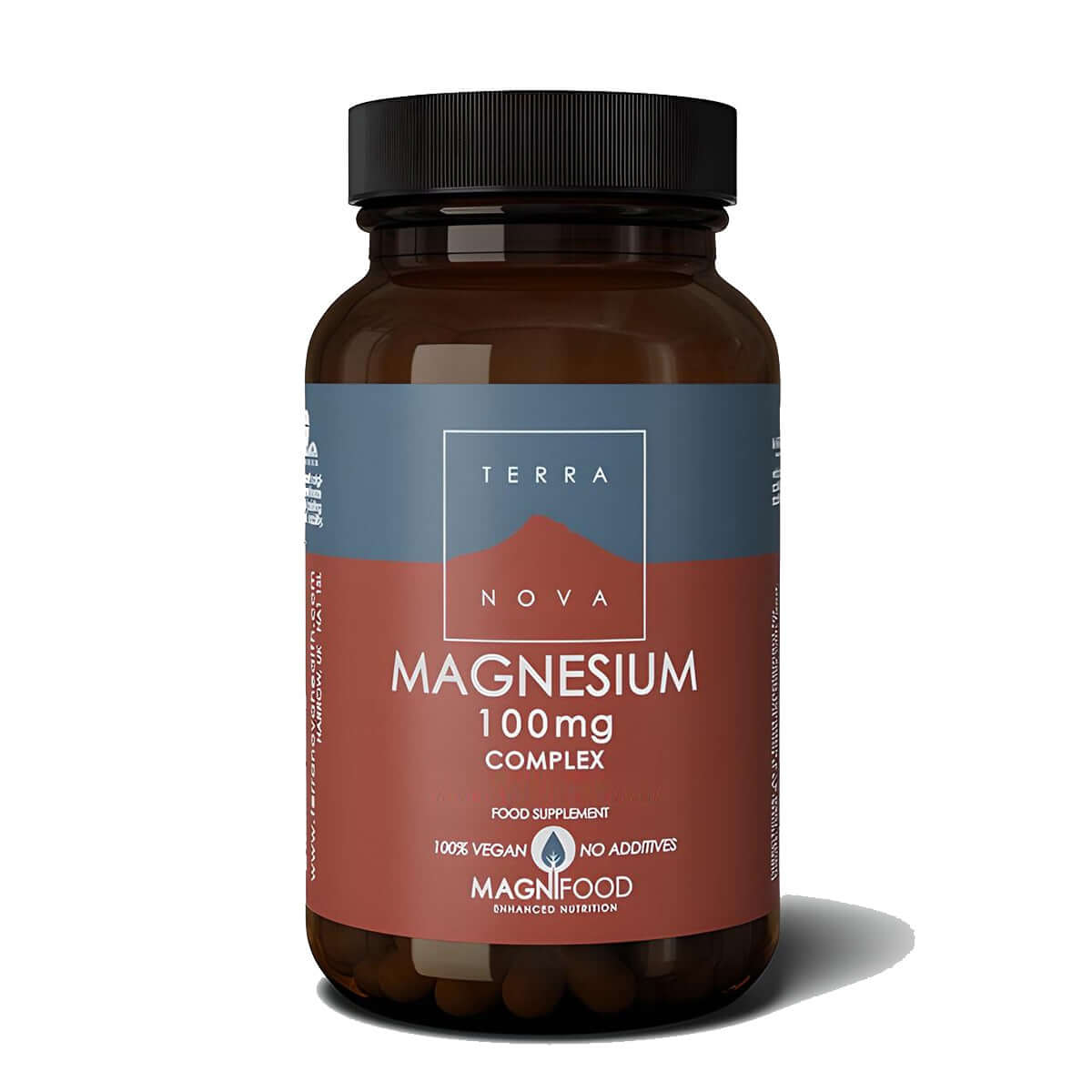
Terranova Magnesium Complex
A wholefood-based magnesium blend for general daily support.
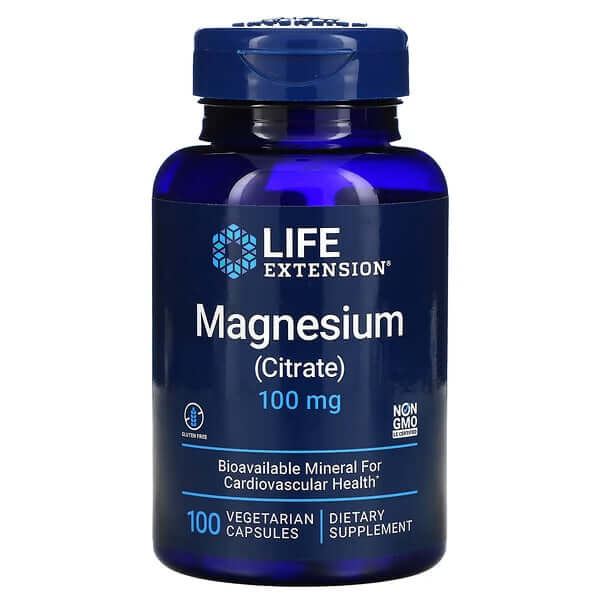
Life Extension Magnesium Citrate
A widely used and well-absorbed magnesium option.
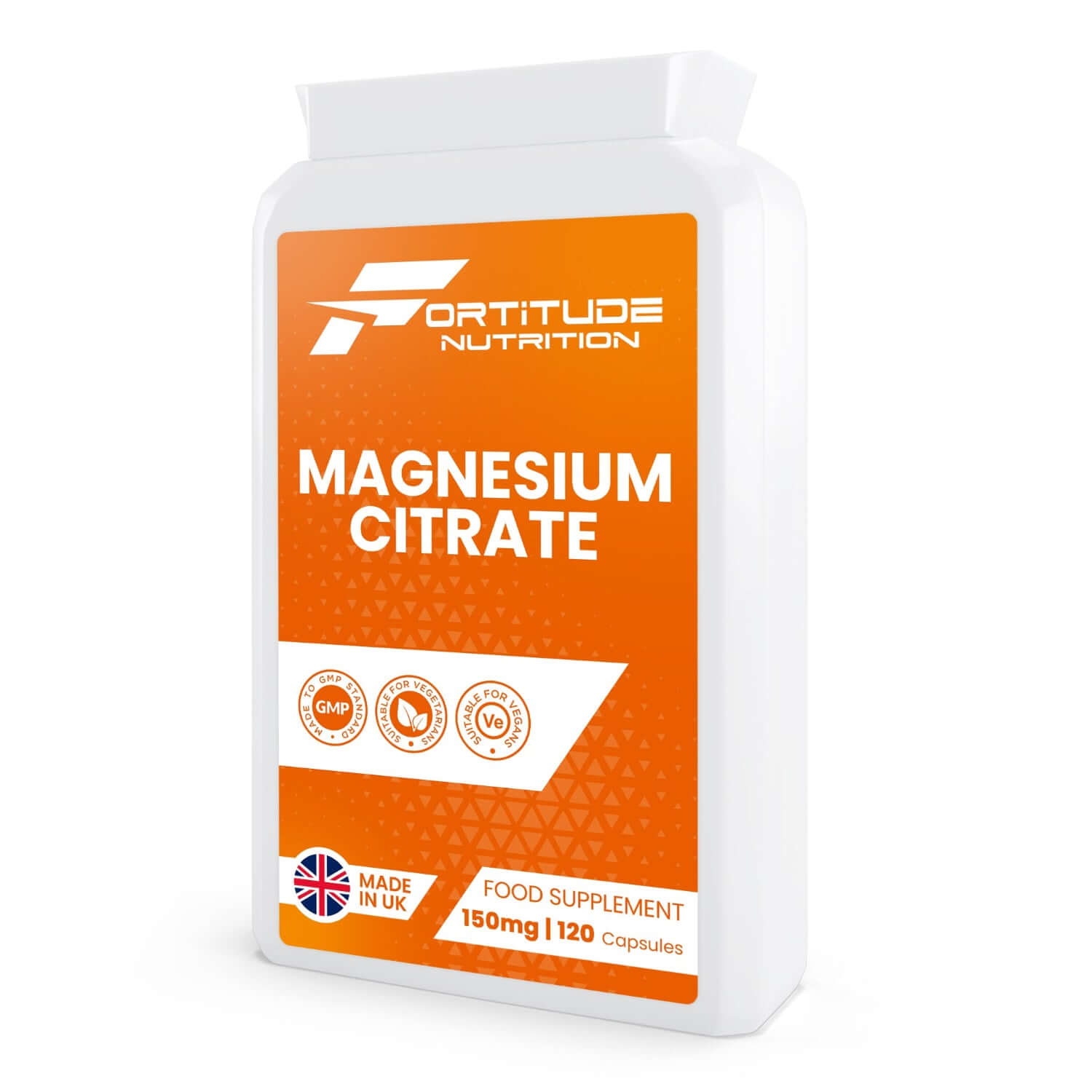
Fortitude Nutrition Magnesium Citrate
A simple, cost-effective magnesium option for everyday use.
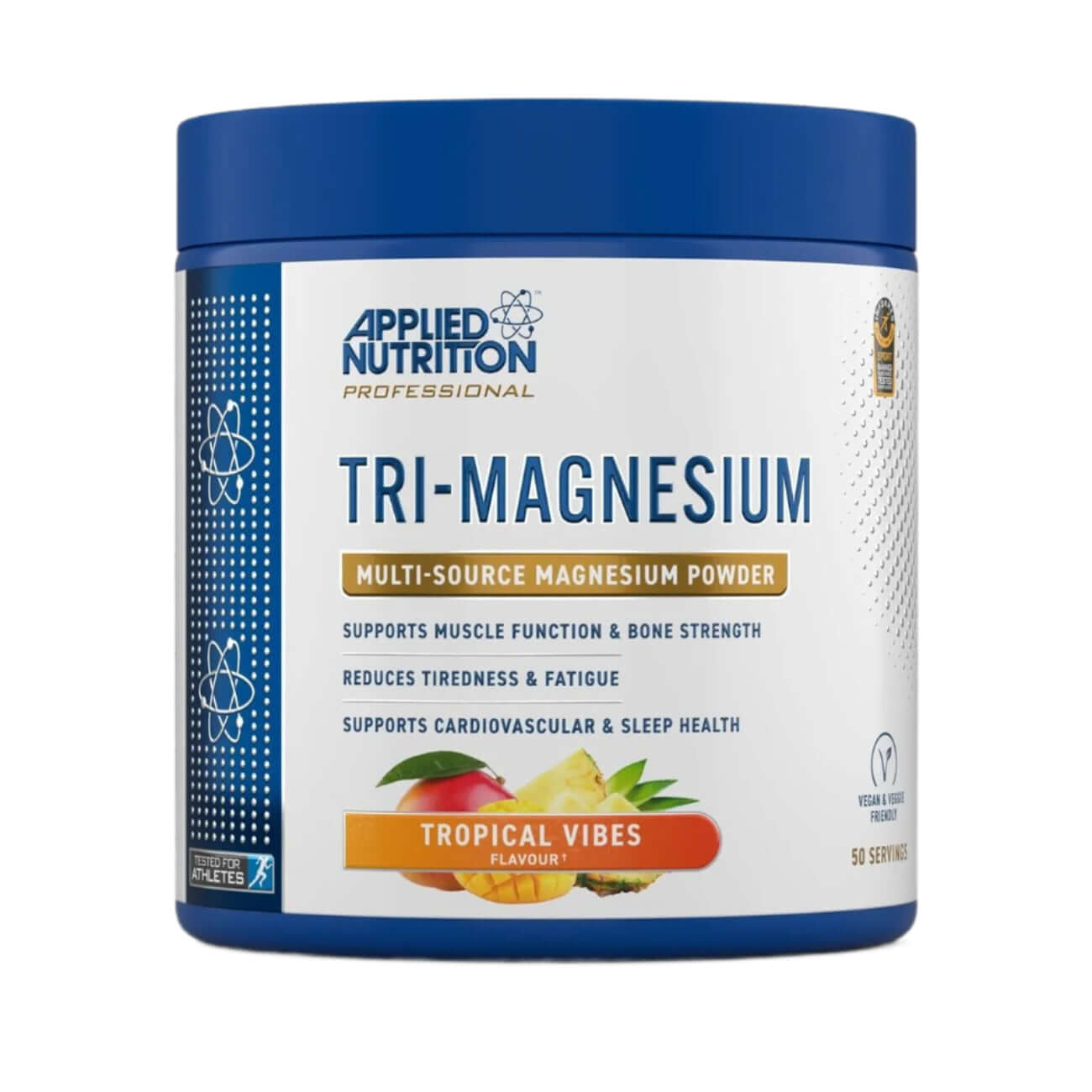
Applied Nutrition Tri Magnesium Powder
A multi-form magnesium powder for flexible dosing.
Magnesium in sleep supplements
Some dedicated sleep products also include magnesium alongside other ingredients aimed at improving rest and recovery.
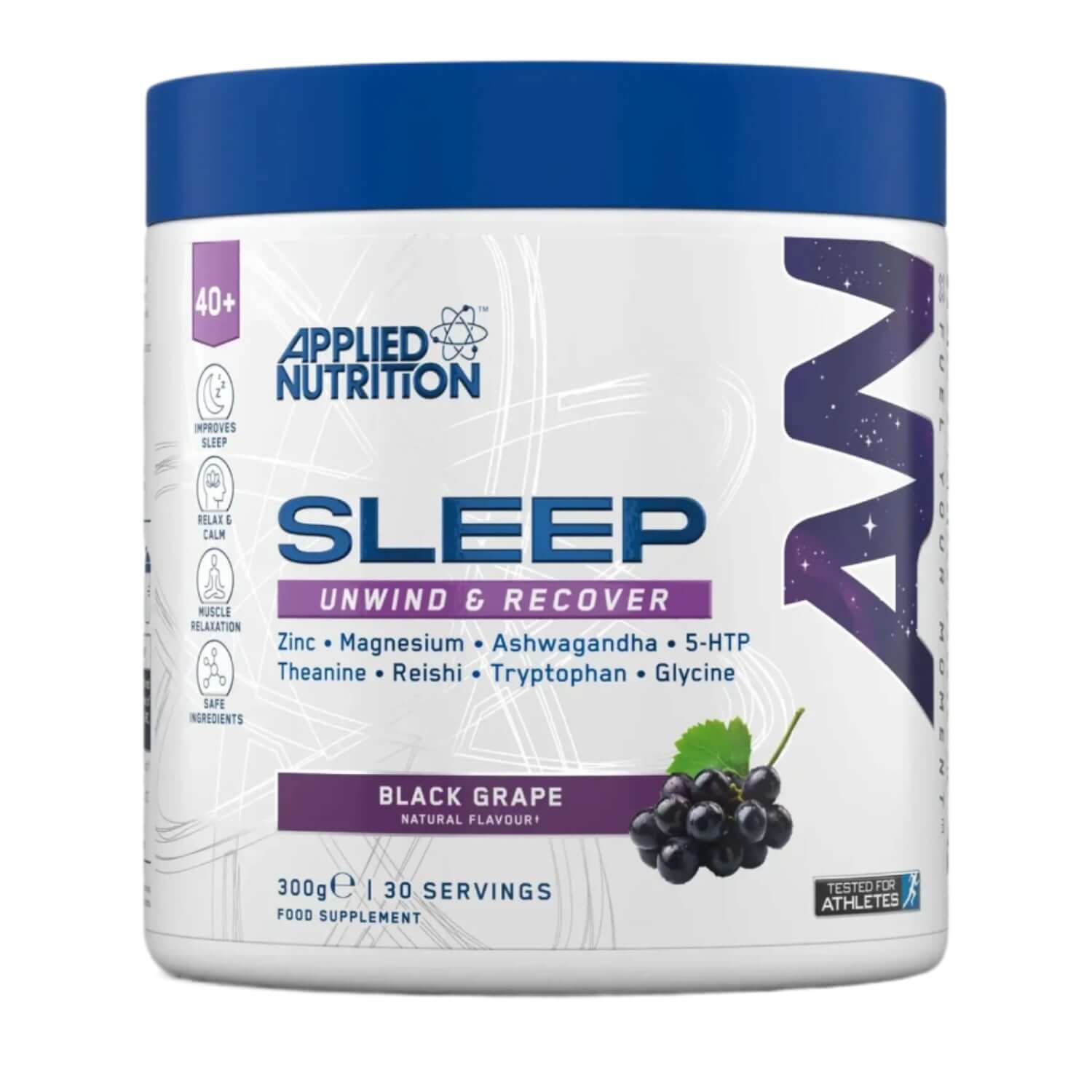
Applied Nutrition Sleep
A combined formula designed to support relaxation and sleep quality.

Beast Pharm Big Z
A ZMA-style formula combining magnesium, zinc and B vitamins.
So which form is best?
If you want the straightforward answer, magnesium glycinate is usually the best magnesium for sleep and recovery. It is well suited to evening use, easy to tolerate and aligned with what most people are trying to improve.
Magnesium citrate is a solid alternative if you tolerate it well. Other forms can still contribute, but are usually less targeted at sleep specifically.
If your training is solid but recovery feels inconsistent, magnesium is one of the smarter places to tighten things up.
Summary: What is the best magnesium for sleep and recovery?
- Magnesium glycinate: best for sleep and relaxation
- Magnesium citrate: good general option but can affect digestion
- Magnesium malate: better for daytime use
- Magnesium oxide: lower absorption, less ideal
For most people, magnesium glycinate is the best overall choice.