
Cutting calories is the easy part on paper. The hard part is staying full, training well and holding on to muscle while body fat comes down. That is where protein powder for weight loss can be genuinely useful - not as a shortcut, but as a practical tool that helps you hit your protein target without making your diet harder to stick to.
For most active people, the real value of protein is not just muscle growth. It is appetite control, recovery and body composition. If you are in a calorie deficit and your protein intake is too low, you are more likely to feel hungry, under-recover from training and lose lean tissue along with fat.
How protein powder for weight loss actually helps
Weight loss still comes down to a calorie deficit. No protein shake changes that. What protein does is make that deficit more manageable and, for many gym-goers, more productive.
Protein is more filling than carbohydrate or fat for many people, so meals and snacks built around it often reduce the urge to keep grazing. It also supports muscle retention during dieting, which matters if your goal is to look leaner rather than simply weigh less.
There is also the convenience factor. Preparing high-protein meals every few hours is realistic for some people and not for others. A shake can give you 20 to 30 grams of protein in under a minute, with predictable calories and no guesswork.
If you are unsure how much protein you actually need, this how much whey protein per serving guide is a good place to start.
Protein powder is not a fat burner
Protein powder does not directly burn body fat. If your overall calorie intake is too high, adding shakes on top of your normal diet can easily slow progress rather than improve it.
The best results usually come when protein powder replaces a less structured snack or helps balance a meal that would otherwise be low in protein.
Which type of protein powder is best for weight loss?
There is no single best option for everyone, but some formats fit a cutting phase better than others.
Whey protein
Whey is the default choice for a reason. It digests well for most people, delivers a strong amino acid profile and is practical after training or between meals.
If your main goal is to increase daily protein without overcomplicating things, a simple option from a protein powder range is usually the easiest place to start.
If you are new to supplements, this best whey protein for beginners guide can help you narrow things down.
Casein protein
Casein digests more slowly than whey, which can help with hunger control. Some people prefer it in the evening or as a thicker snack.
Vegan protein
If you avoid dairy, a quality vegan blend can work well. What matters most is protein content per serving, calorie level and whether you will actually use it consistently.
Meal replacement shakes
These include more carbohydrate and fats alongside protein. They can be useful for structure, but are not automatically better for fat loss.
What to look for on the label
Start with protein per serving. A solid benchmark is around 20 to 25 grams. Then look at total calories, carbohydrate and fat content.
Lower calorie formulas tend to fit a fat loss phase better, but taste and consistency matter just as much.
For a broader overview of different protein types, see our protein supplements guide.
Best times to use protein powder for weight loss
After training is the most obvious. A shake is quick and helps support recovery.
Breakfast is another strong option if you usually start the day low on protein.
Mid-afternoon is where many diets fall apart. A shake can replace less structured snacks and keep calories under control.
Common mistakes that slow progress
The biggest mistake is treating shakes as an extra rather than part of your daily intake.
Another issue is choosing a mass gainer by accident. These are designed for high calorie intake, not fat loss.
Portion size also matters. Adding extras like nut butter or oats can turn a low-calorie shake into a full meal very quickly.
How much protein do you actually need?
A common target for active people dieting is around 1.6 to 2.2 grams of protein per kilogram of body weight per day.
Most of this should still come from whole food. Protein powder works best as a supplement to fill gaps rather than replace meals entirely.
Is protein powder worth it when dieting?
For many people, yes. Not because it is essential, but because it makes consistency easier.
If your diet is already well structured, you may not need it often. But if consistency is the issue, protein powder can help keep things on track.
Popular Protein Powders for Weight Loss
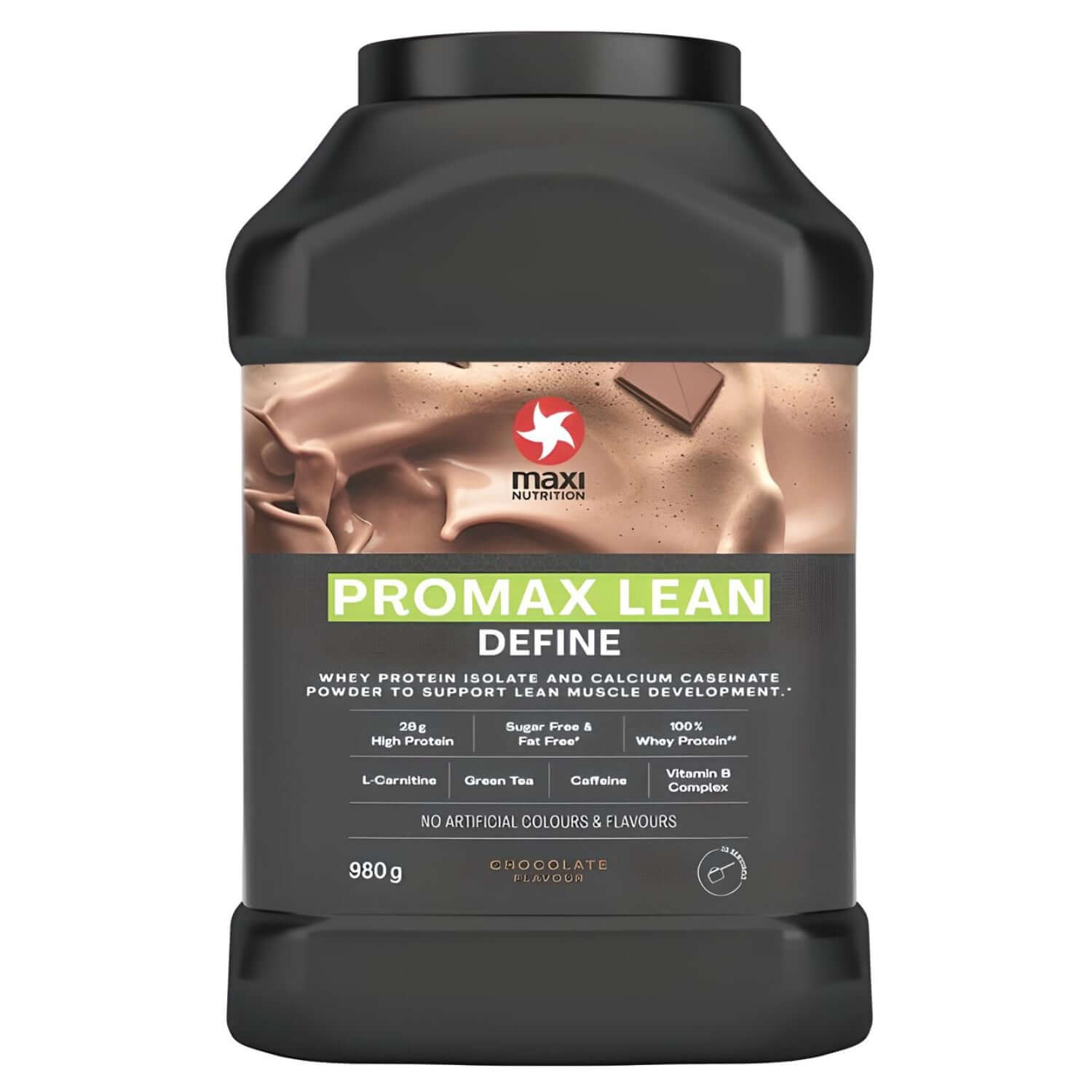
Maxi Nutrition Promax Lean
A lean protein formula with added fat loss support ingredients.
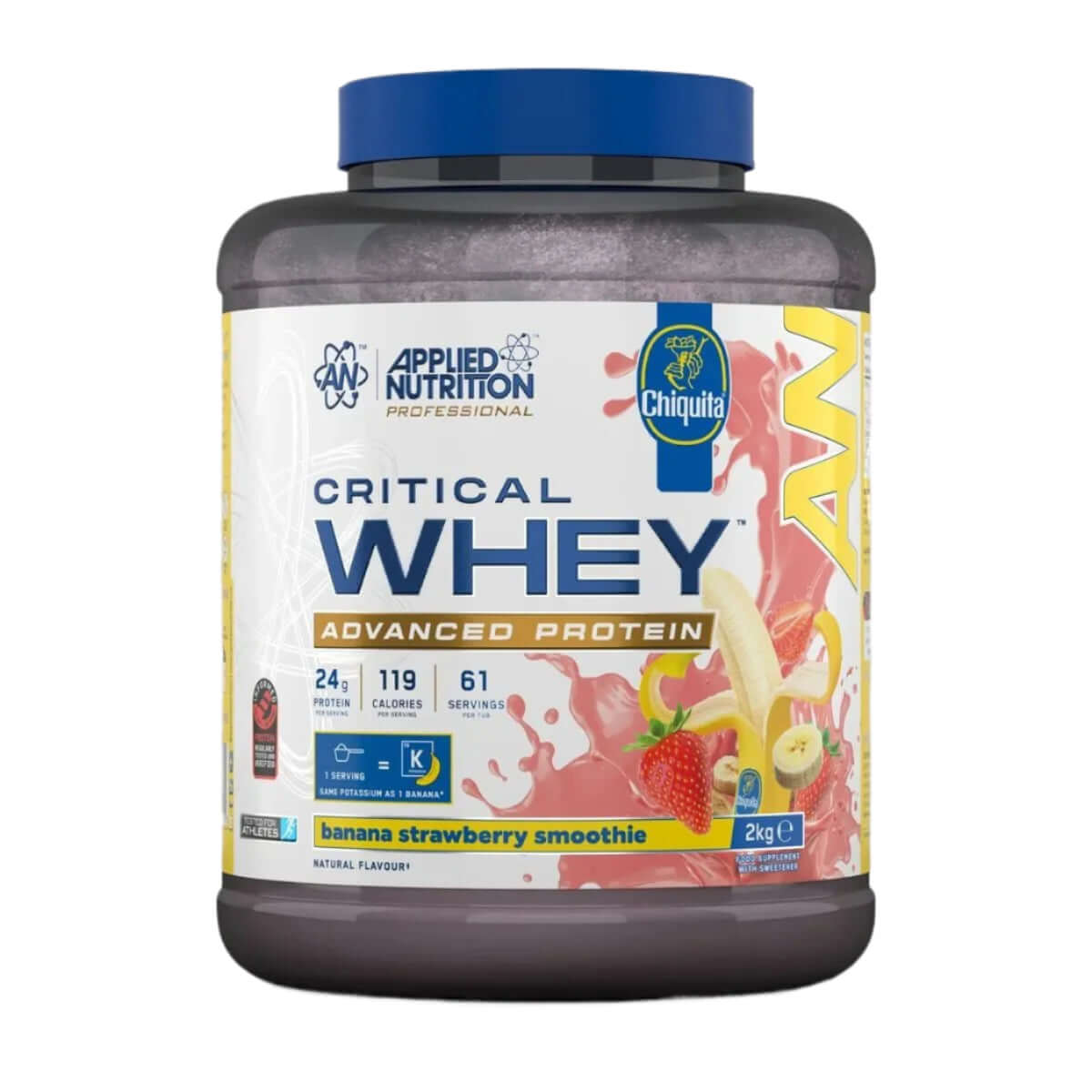
Applied Nutrition Critical Whey
A balanced, cost-effective whey protein for everyday use.
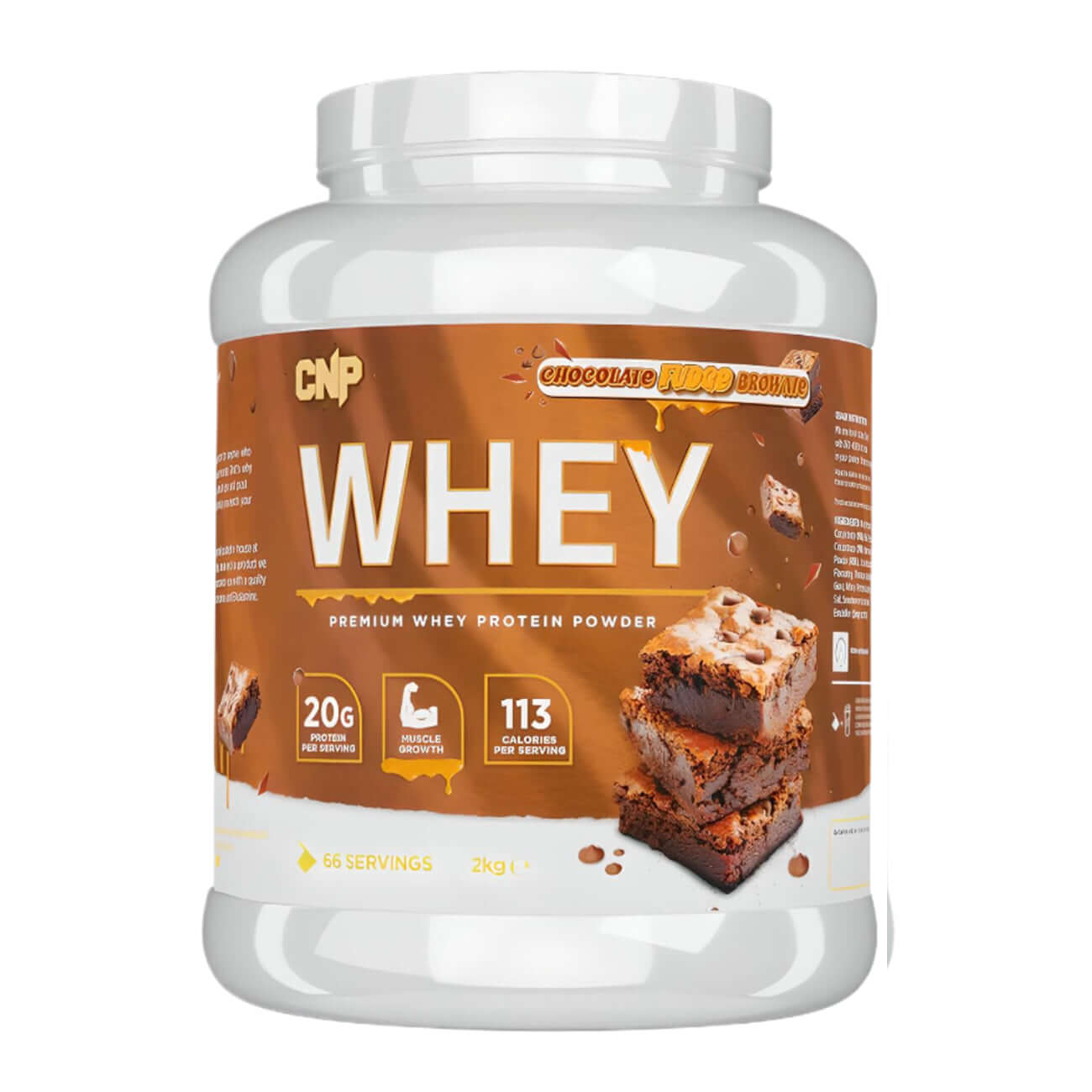
CNP Whey
A reliable whey protein option with a strong reputation for quality.

PER4M Whey Protein
A high-quality whey protein with strong flavour options and solid macros.
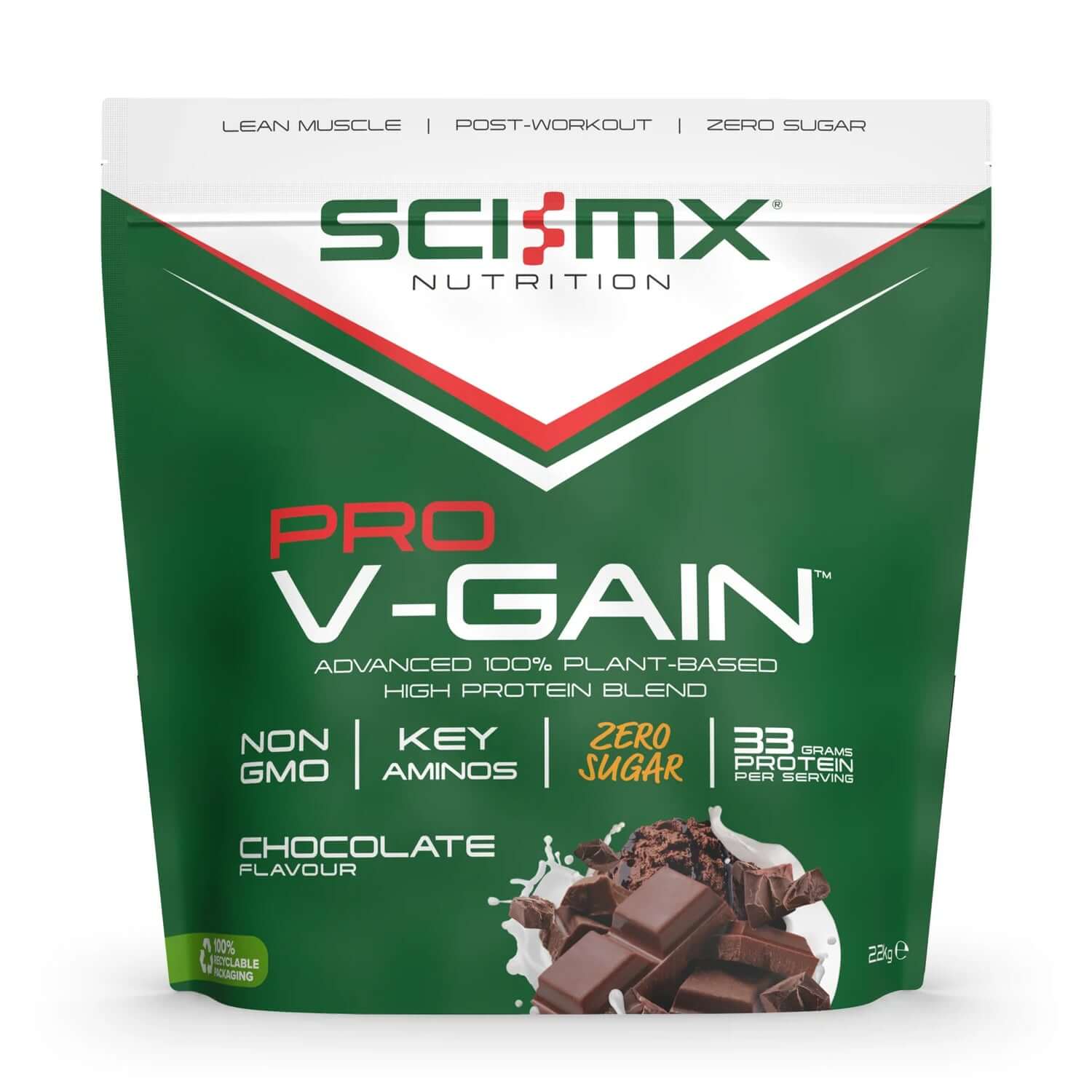
SCI-MX V-Gain
A plant-based protein option for those avoiding dairy.