
That tight, swollen feeling after a protein-heavy meal or a shake on the go can derail more than comfort. It can affect appetite, training, sleep and how consistently you hit your nutrition targets. So, do digestive enzymes help bloating? Sometimes, yes - but only when the cause of the bloating matches what enzymes actually do.
Digestive enzymes can help bloating when the issue is linked to poor breakdown of certain foods. They are much less effective if bloating is caused by food intolerance, constipation, stress, gut sensitivity or simply eating too much, too quickly. For active people, that distinction matters, because high-protein diets, large meals and convenience foods can all create digestive pressure for different reasons.
Do digestive enzymes help bloating?
Yes - if bloating is caused by poor digestion of protein, fats or lactose
No - if caused by food intolerance, stress, constipation or meal size
Best for - large meals, protein shakes and specific food triggers
The key is matching the enzyme to the problem rather than expecting a general fix.
Do digestive enzymes help bloating in every case?
No. Bloating is a symptom, not a diagnosis. It can come from excess gas, delayed stomach emptying, water retention, constipation, hormonal changes or gut irritation. Digestive enzymes only address one part of that picture - food breakdown.
Your body already produces enzymes naturally. Amylase breaks down carbohydrates, protease targets protein, and lipase helps digest fats. There are also more specialised enzymes like lactase for lactose and alpha-galactosidase for certain plant fibres.
If your body struggles with a specific type of food, or you are eating larger meals than usual, adding enzymes may reduce the amount of partially digested food sitting in the gut and fermenting. That is where the bloating relief can come from.
When digestive enzymes are most likely to help
The best results usually come when bloating appears after specific meals rather than all the time.
Large, high-protein meals
If you are eating for muscle gain, larger meals and higher protein intake can put pressure on digestion. Even when protein is not the direct issue, volume alone can cause that heavy, bloated feeling. A broad enzyme formula alongside general digestive support may help improve comfort.
Higher-fat meals
Fat slows digestion. If you regularly feel sluggish or overly full after richer meals, an enzyme blend containing lipase may help reduce that feeling.
Dairy-related bloating
If bloating follows milk, whey concentrate or dairy-based foods, lactase is the key enzyme. This is one of the clearest cases where digestive enzymes can be genuinely effective.
Fibre-heavy meals
Clean eating is not always easy on digestion. Beans, lentils and certain vegetables can cause gas due to fermentation in the gut. Enzymes targeting these carbohydrates can sometimes reduce symptoms.
When enzymes probably will not solve the problem
If you feel bloated regardless of what you eat, digestive enzymes are unlikely to be the main solution.
If constipation is the issue, the priority is hydration, fibre balance, movement and routine. If bloating is caused by sugar alcohols in low-sugar products, enzymes may do very little.
Stress also plays a role. Eating quickly, training hard and relying on caffeine can all affect digestion. In these cases, improving habits may be more effective than adding supplements.
Persistent or severe symptoms should always be checked medically rather than treated as a supplement problem.
What to look for in a digestive enzyme supplement
The right product depends on what you struggle to digest.
A broad-spectrum formula works well if symptoms appear after mixed meals. These typically include protease, amylase and lipase, sometimes with added enzymes for lactose or plant carbohydrates.
If dairy is the trigger, focus on lactase. If large meals are the issue, a full-spectrum blend is usually more effective.
Timing matters. Enzymes are most useful when taken with meals, not hours later.
For a wider range of options, you can browse digestive enzyme supplements based on your needs.
Do digestive enzymes help bloating from protein shakes?
They can, but the cause is not always the protein itself.
Many people react to lactose, sweeteners, gums or simply drinking shakes too quickly. If you are using whey concentrate and notice consistent bloating, switching protein type may help. Enzymes with lactase can also improve digestion.
Mass gainers can be more complex. They combine high calories, carbs, fats and additives, which can overwhelm digestion. In this case, enzymes may help, but splitting servings or simplifying your nutrition may be just as effective.
How to test whether they work for you
Keep it simple. Use the same product for one to two weeks around meals that normally cause bloating.
Avoid changing too many variables at once. If symptoms improve, that is a useful signal. If nothing changes, the cause is likely elsewhere.
A good supplement should produce a noticeable improvement, not a vague effect.
Digestive enzymes vs probiotics
Digestive enzymes and probiotics do different jobs.
Enzymes help break down food during digestion. Probiotics support the balance of bacteria in your gut. Some people benefit from using both together, especially if digestion and gut health are both concerns.
For more on this, read our spore-based probiotics guide or our broader digestive health guide.
Popular Digestive Enzymes
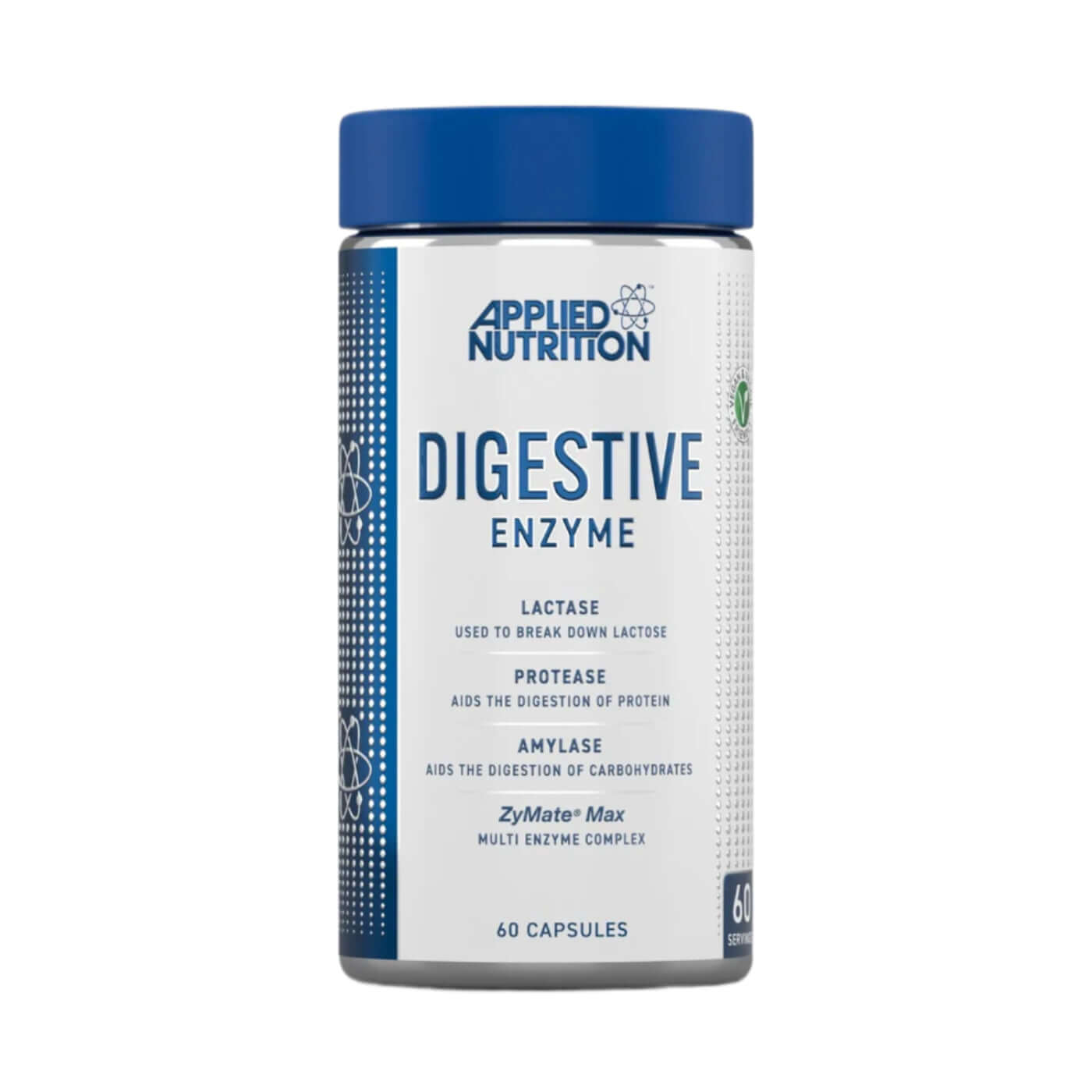
Applied Nutrition Digestive Enzyme
A straightforward, broad-spectrum formula designed to support digestion across protein, carbs and fats.

Doctors Best Digestive Enzymes
A well-known formula combining multiple enzymes to support digestion of a wide range of foods.
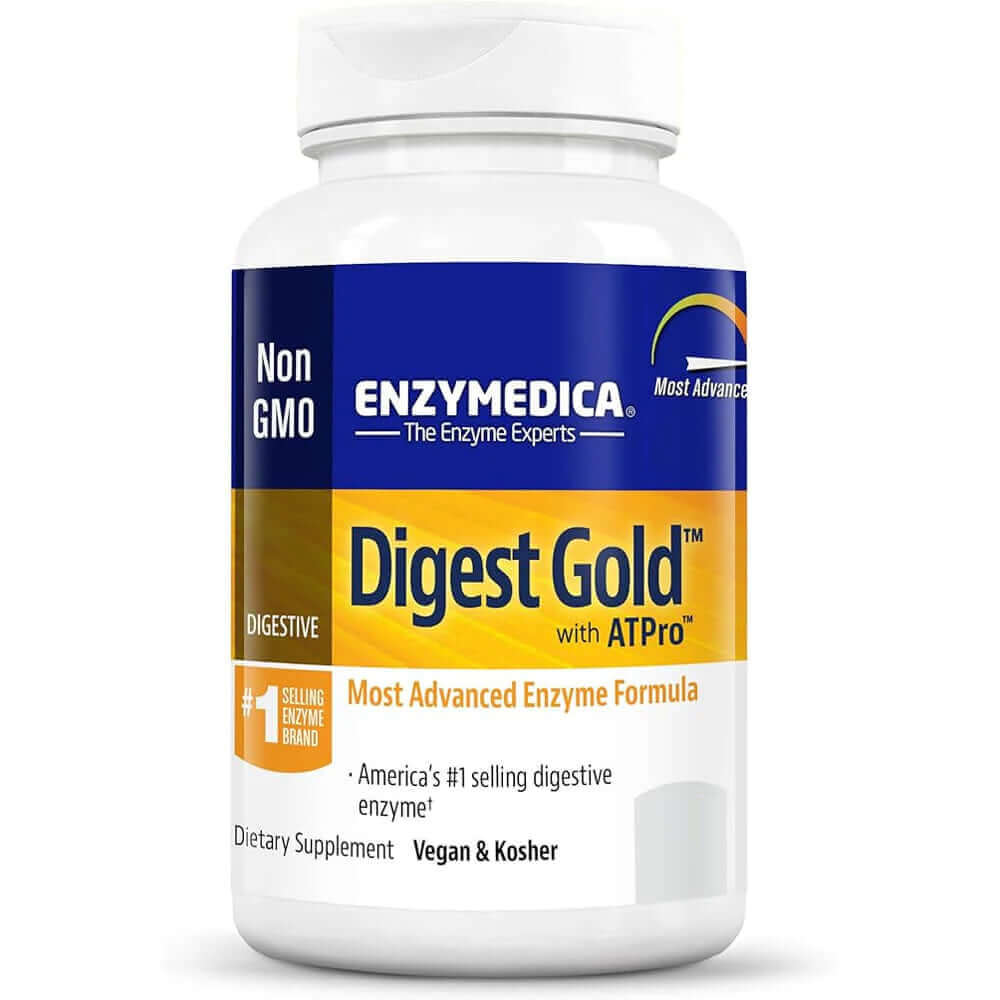
Enzymedica Digest Gold
A high-strength enzyme blend designed for more demanding digestion and larger meals.
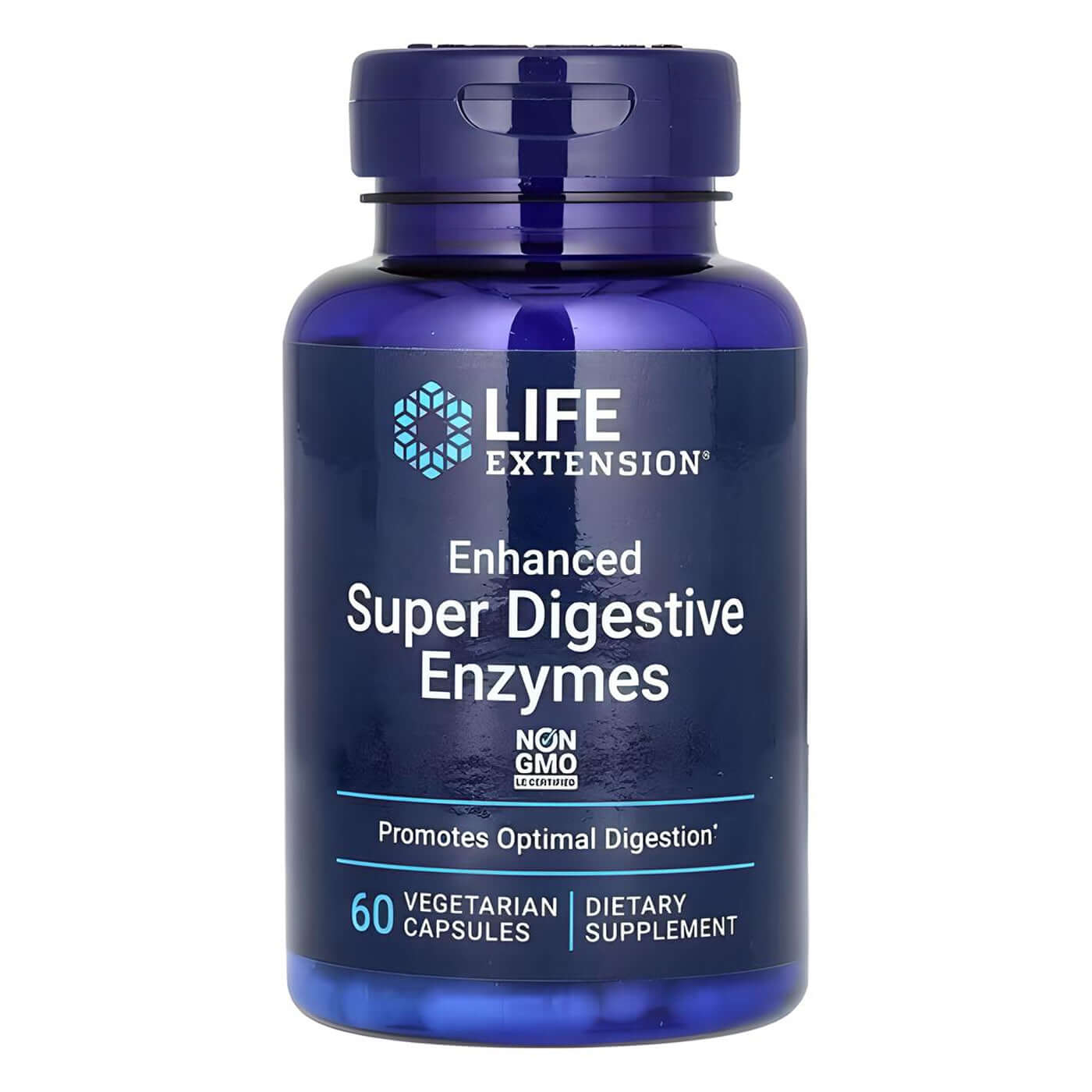
Life Extension Digestive Enzymes
A comprehensive formula aimed at improving digestion and nutrient absorption.
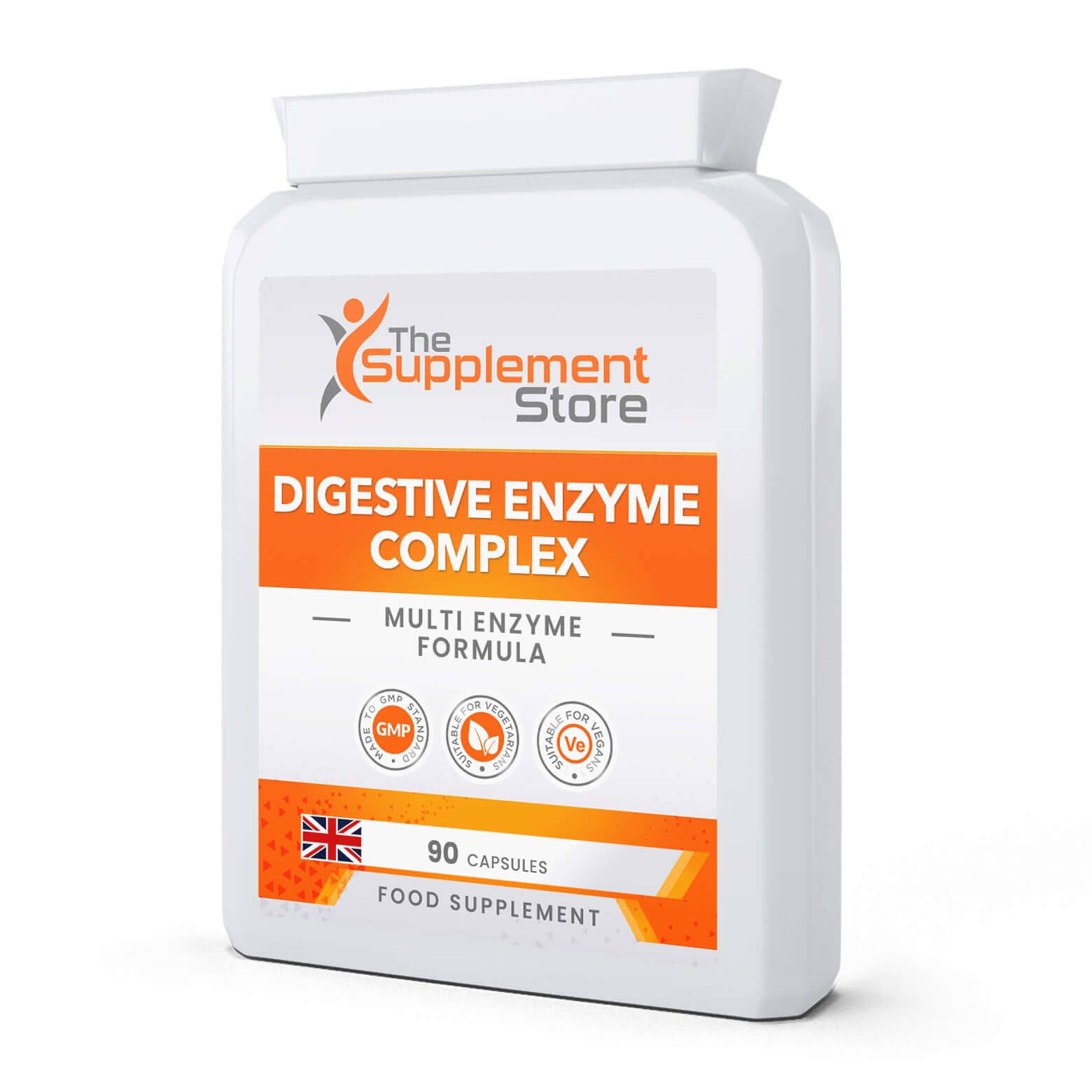
The Supplement Store Digestive Enzyme Complex
A broad-spectrum digestive enzyme formula designed to support the breakdown of protein, carbohydrates and fats for improved digestive comfort.
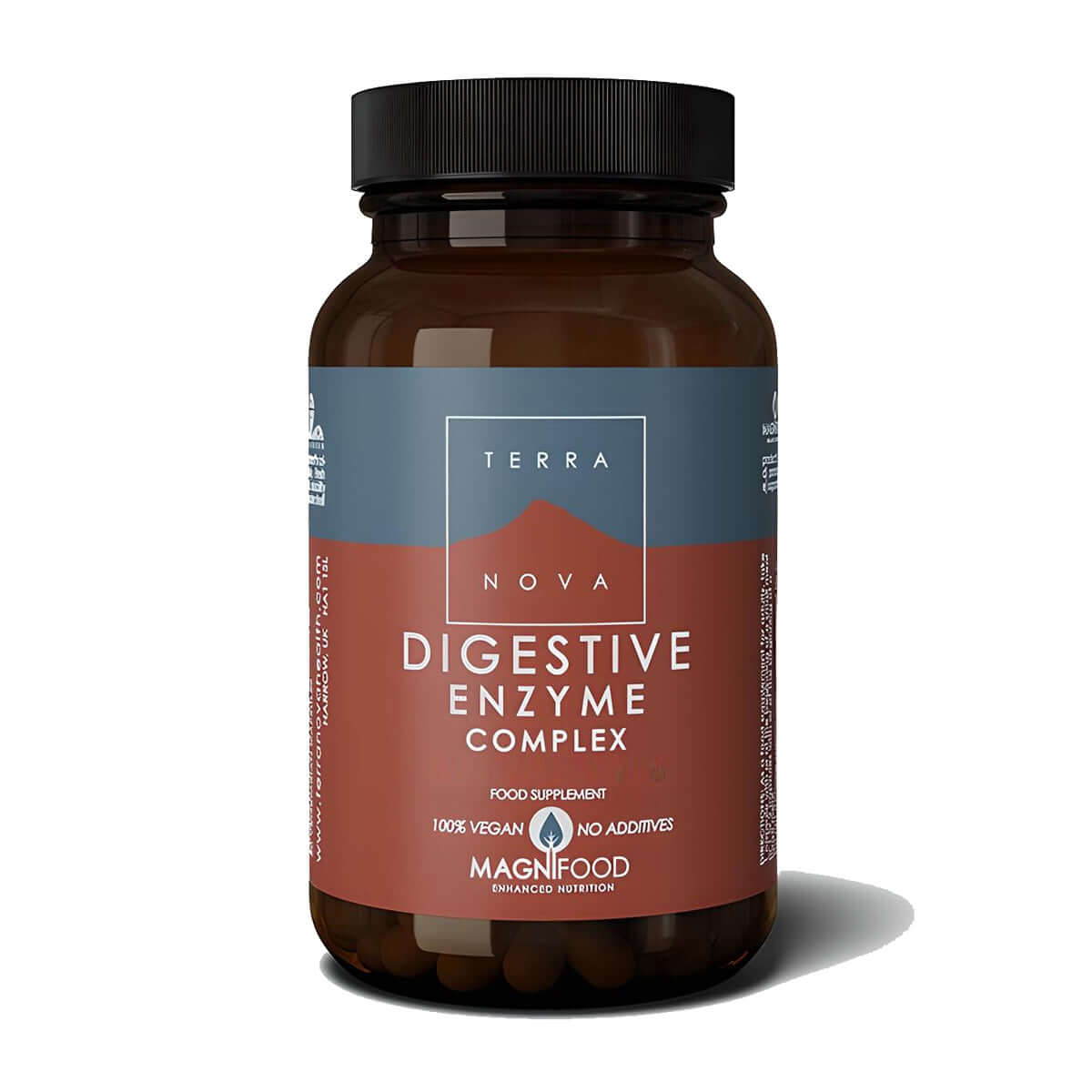
Terranova Digestive Enzyme Complex
A plant-based digestive enzyme blend combined with wholefood ingredients for broader digestive support.
The bottom line
Digestive enzymes can help bloating when the issue is linked to poor digestion of specific foods, large meals or ingredients such as lactose. They are far less effective when the cause is stress, intolerance, constipation or eating habits.
The best approach is to identify the trigger and match the solution accordingly. For active people trying to eat well and stay consistent, that targeted approach usually delivers better results than guesswork.