
A bloated stomach can ruin more than your comfort. It can affect appetite, training sessions, sleep and how consistent you are with your nutrition. That is why interest in the best probiotics for gut health keeps growing, especially among active people who want digestion to support performance rather than hold it back.
The challenge is that probiotic shopping gets confusing quickly. One product pushes high CFU counts, another lists multiple strains, and others combine probiotics with enzymes or prebiotic fibre. Bigger numbers are not always better. The best probiotic is the one that matches your digestion, your diet and how you actually use it day to day.
What are the best probiotics for gut health?
- Multi-strain probiotics for general digestive support
- Targeted strains for specific issues like bloating or disruption
- Moderate CFU for everyday use and consistency
- Stable formulas that are easy to take daily
The best probiotic is not the strongest on paper, but the one you can use consistently and tolerate well.
What makes a good probiotic?
A quality probiotic is built around strain selection, sensible dosing and practical use.
CFU stands for colony forming units and tells you how many live microorganisms are in each serving. For general support, many products sit between 1 billion and 20 billion CFU, while more advanced formulas may go higher. Higher is not automatically better if the strains are not suited to your needs.
Strain matters more than most people realise. Names like Lactobacillus acidophilus, Lactobacillus rhamnosus and Bifidobacterium lactis are commonly used for digestive support. A product that lists specific strains is usually more transparent than one that just says live cultures.
Stability also matters. Some probiotics require refrigeration, while others are shelf-stable. A stable product is often more practical if you travel, train regularly or keep supplements in a gym bag.
Why gut health matters if you train regularly
If you are focused on muscle gain, fat loss or performance, gut health often gets overlooked. In reality, it directly affects how comfortably you eat, how well you tolerate higher calories and how consistent you can be with your routine.
For lifters in a bulking phase, probiotics may help when heavy meals leave you feeling sluggish or bloated. During dieting phases, they can support digestion when food choices, fibre intake or stress levels change.
Changes in protein intake, sweeteners, meal replacements and pre-workout habits can all impact digestion. A probiotic can support that, but it will not fix poor habits on its own.
The probiotic strains worth knowing
Understanding strains helps you choose a product that actually fits your needs.
Lactobacillus acidophilus is widely used for everyday gut balance. Bifidobacterium lactis is commonly included in formulas aimed at regularity and digestive consistency.
Lactobacillus rhamnosus appears in more advanced blends and is often used for broader digestive support. Bifidobacterium bifidum is another common inclusion in multi-strain products.
Saccharomyces boulardii is slightly different, as it is a beneficial yeast rather than a bacteria. It is often used when digestion feels unsettled, such as after travel, dietary disruption or antibiotics.
Spore-based probiotics and newer strains
Not all probiotics behave the same way. Traditional probiotics such as Lactobacillus and Bifidobacterium are relatively fragile and may not always survive stomach acid effectively.
Spore-based probiotics, often referred to as sporebiotics, use Bacillus strains that form a protective outer shell. This allows them to survive harsh conditions and reach the gut more effectively.
Common strains found in these formulas include Bacillus subtilis (HU58), Bacillus clausii, Bacillus coagulans and Bacillus licheniformis. These are used in products like MegaSporeBiotic and other spore-based blends.
This type of probiotic is often chosen for improved stability, better survival through digestion and support during periods of gut stress. Some people find they tolerate these better than traditional probiotics, particularly if they have not seen results from standard formulas.
They are not automatically better for everyone, but they represent a different approach. Instead of simply adding bacteria, they are designed to support the gut environment in a more resilient way.
For a deeper look at this type of probiotic, read our spore-based probiotics guide.
How to choose the right probiotic for your goal
If your goal is general gut health, a balanced multi-strain product is usually the best starting point.
If bloating is your main issue, it is worth looking beyond probiotics alone. Some products include digestive enzymes, which may help break down protein, fats and carbohydrates more efficiently. You can also read more about this in our digestive enzyme guide.
If you are recovering from antibiotics or dealing with more noticeable digestive disruption, a targeted strain or specialist product may be more appropriate.
Convenience also matters. A simple, once-daily capsule is often more effective in practice than a complicated protocol that you do not stick to.
Common label claims explained
Multi-strain formulas can be useful, but more strains do not always mean a better product. A smaller number of well-researched strains is often more effective than a long list with tiny doses.
High CFU counts sound impressive, but they need to be viewed alongside strain quality and suitability. A high-strength product is not automatically better than a well-designed moderate dose.
Prebiotics can support probiotics by feeding beneficial bacteria, but they are not ideal for everyone. If you already struggle with bloating, adding more fermentable fibre too quickly can make things worse.
Delayed-release capsules can help probiotics survive stomach acid and reach the gut more effectively. This is a useful feature in higher quality products.
How to take probiotics for better results
Consistency matters more than perfect timing. Most people do well taking probiotics daily at the same time, often with food unless the label suggests otherwise.
Results are not always immediate. Some people notice changes within days, while others need a few weeks of regular use. Mild digestive changes at the start can happen, especially with stronger formulas.
Supporting habits still matter. Hydration, fibre intake, regular meals and sleep all influence digestion. If those are off, even a good probiotic may feel underwhelming.
For a broader overview, you can also read our digestive health guide.
Probiotics in greens supplements
Some greens powders also contain probiotics alongside vitamins, minerals and plant-based nutrients. Products like Terranova Life Drink and Mutant Big Greens can offer a convenient way to support gut health alongside overall nutrition.
These are not always a replacement for a dedicated probiotic, but they can be a useful addition if you prefer a more all-in-one approach.
Popular Probiotics for Gut Health
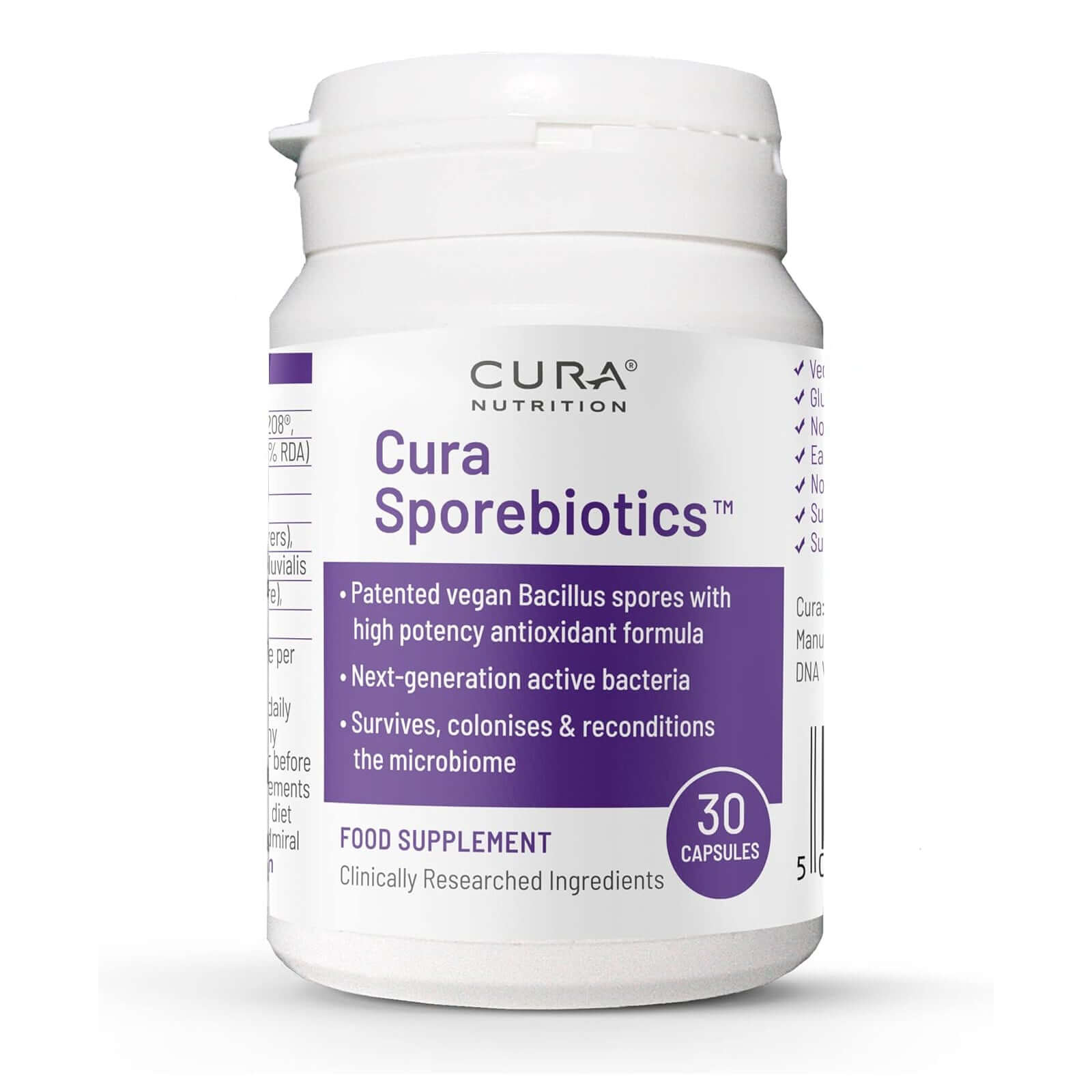
Cura Nutrition CuraSporeBiotics
A spore-based probiotic designed for stability and resilience through digestion.
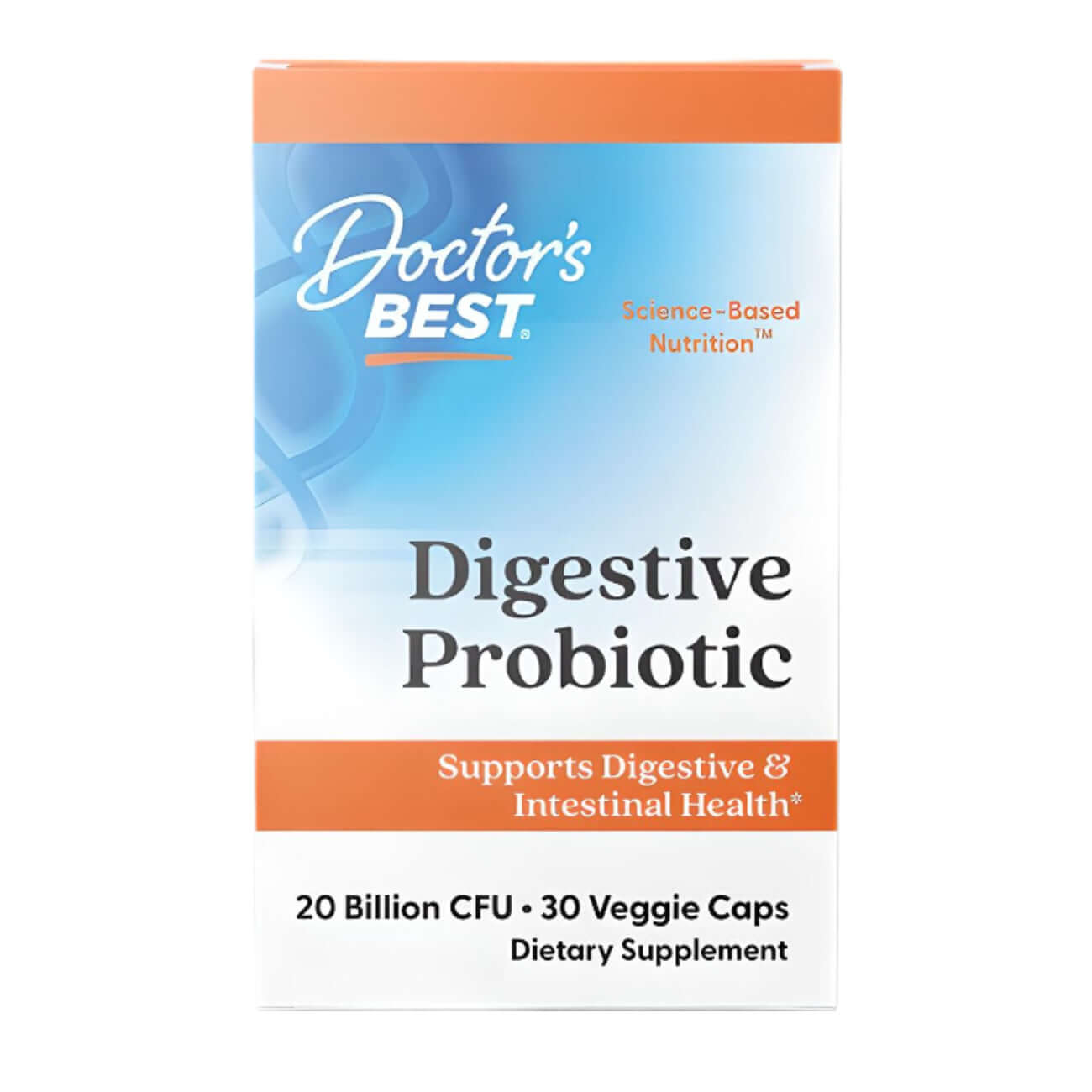
Doctors Best Digestive Probiotic
A balanced multi-strain formula providing everyday digestive support.

MegaSporeBiotic
A well-known spore-based probiotic aimed at supporting gut balance and resilience.
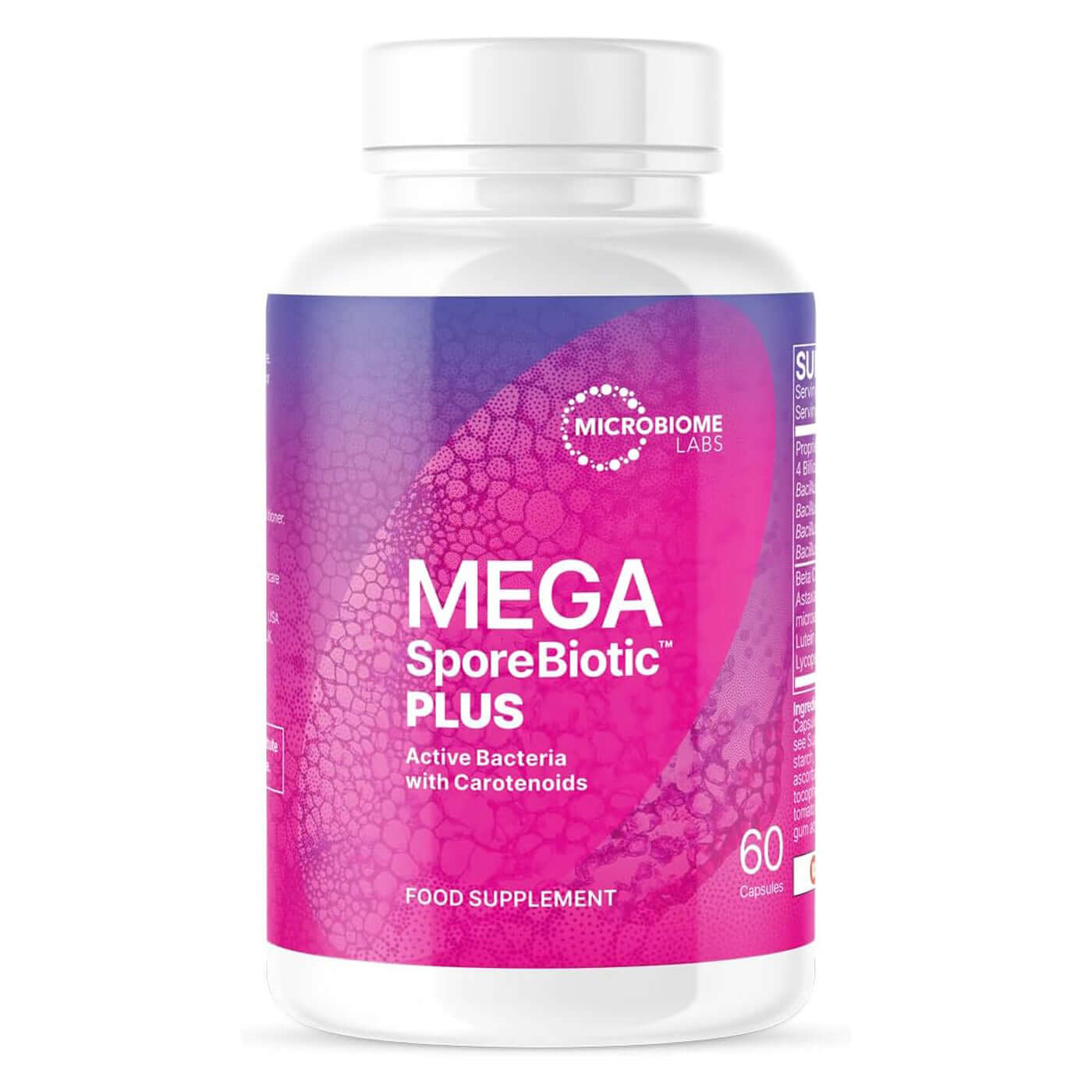
MegaSporeBiotic Plus
An enhanced formula combining spore-based probiotics with additional gut support ingredients.
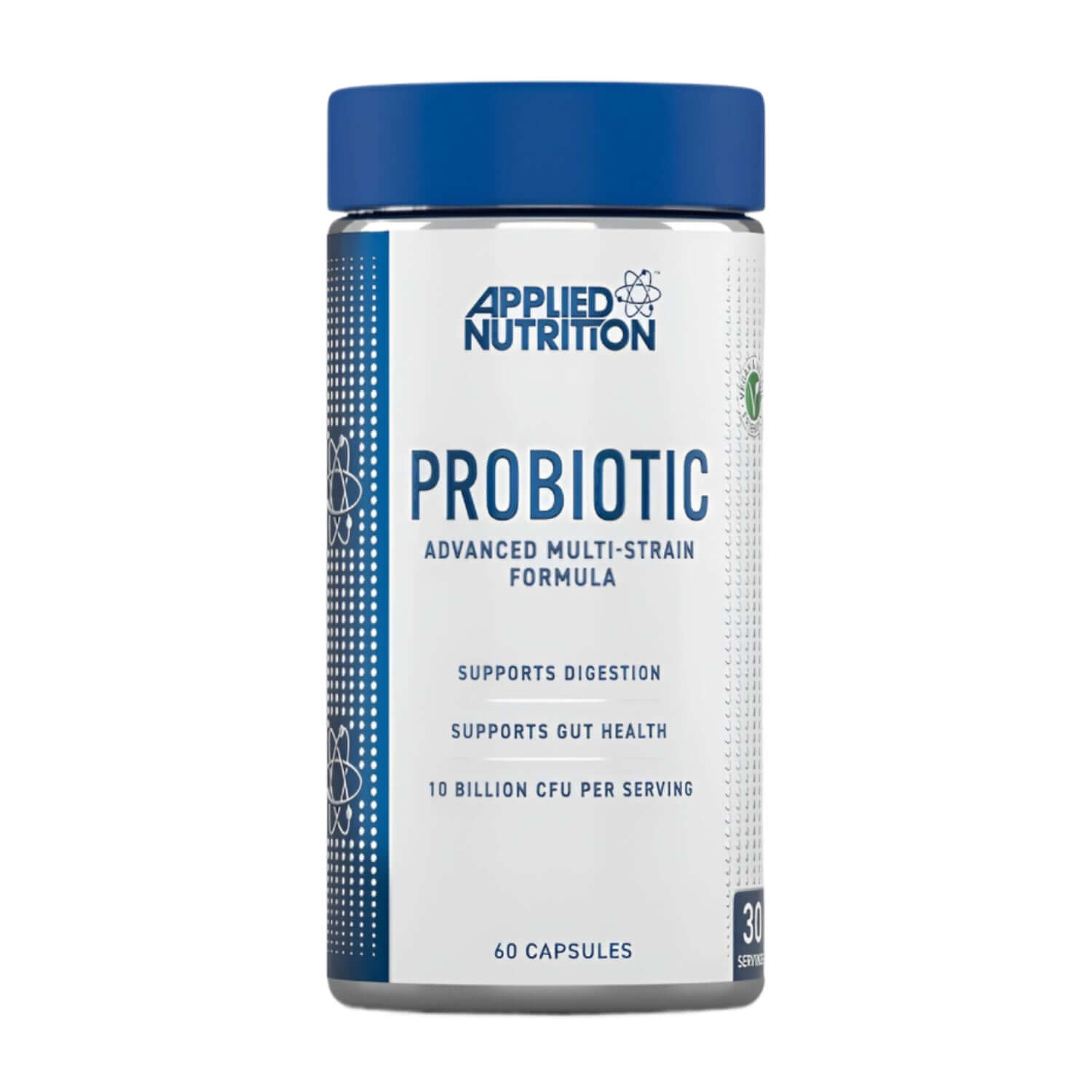
Applied Nutrition Probiotic
A straightforward daily probiotic designed for consistent gut health support.
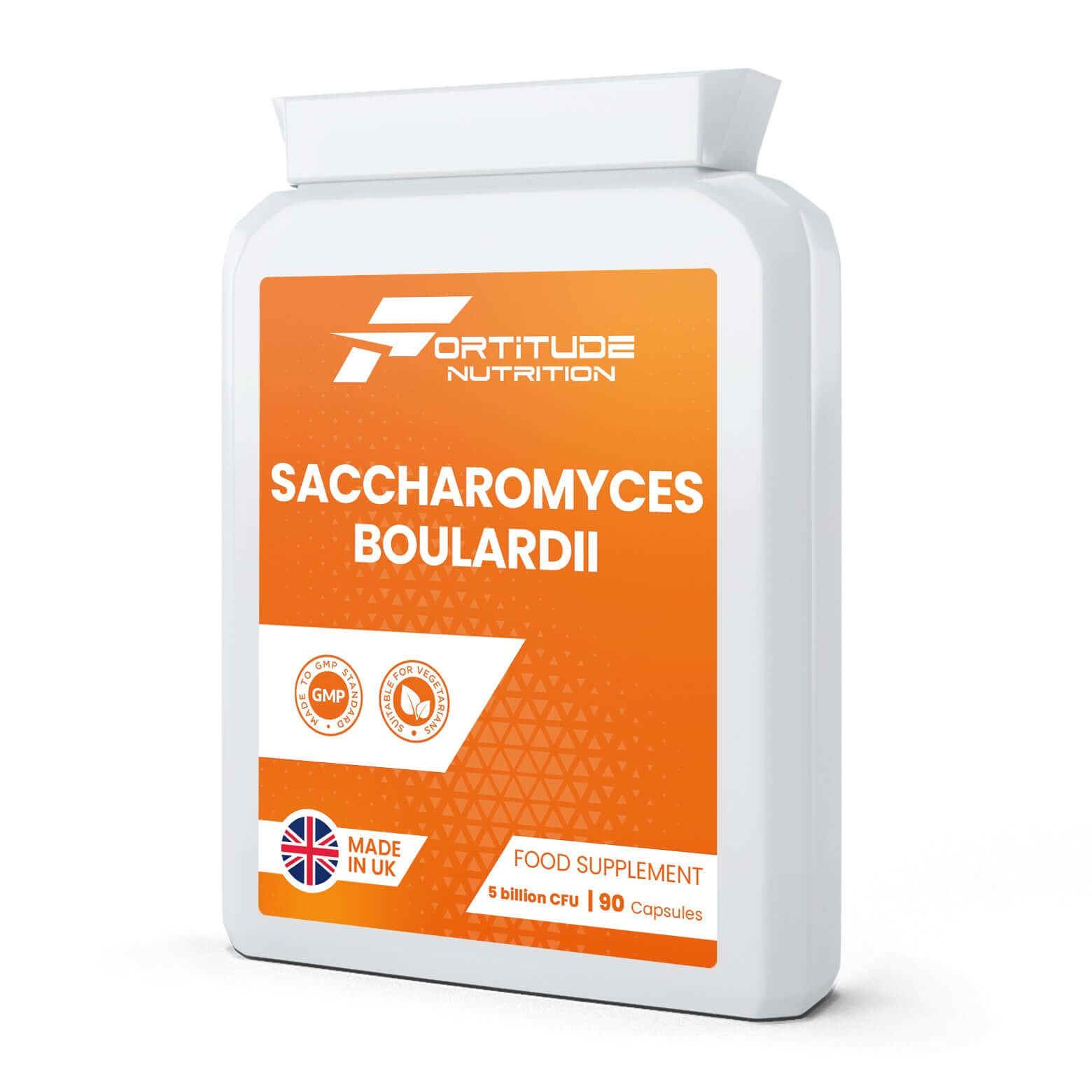
Fortitude Nutrition Saccharomyces Boulardii
A targeted probiotic yeast designed for digestive support during periods of disruption.
The bottom line
The best probiotics for gut health are the ones that match your digestion, your diet and your routine. Focus on strain quality, sensible dosing and consistency rather than chasing the highest numbers on the label.
A well-chosen probiotic can support digestion, improve food tolerance and make it easier to stay consistent with your nutrition. That may not be the most exciting part of your supplement stack, but it often makes everything else work better.