
You do not need a complicated supplement stack to get protein right, but you do need to choose the right type. When people compare whey concentrate vs isolate, they are usually asking a practical question: which one better suits my goal, my budget and my digestion?
That is the right way to look at it. Both forms of whey can support muscle growth, recovery and daily protein intake. The difference is not whether one works and the other does not. The real difference is how each product is processed, what ends up in the tub, and whether those details actually matter for your training phase.
A lot of people overcomplicate this comparison. In reality, the best option is usually the one that fits your routine consistently without costing more than it needs to.
Whey concentrate vs isolate: the basic difference
Whey protein starts as a by-product of cheese production. Once the liquid whey is filtered and dried, it becomes the protein powder most gym-goers know well. The key split happens during processing.
Whey concentrate is less heavily filtered, so it keeps more of the naturally occurring carbs, fats and lactose found in whey. It still delivers a strong protein hit, but the percentage of protein by weight is usually lower than isolate.
Whey isolate goes through extra filtration to remove more fat and carbohydrate, including more lactose. That leaves a powder with a higher protein percentage per serving and a leaner nutritional profile overall.
In simple terms, concentrate is the less processed, usually cheaper option. Isolate is the more refined, usually more expensive option.
Protein content and calories
For many buyers, this is where the decision starts. Whey concentrate often provides around 70 to 80 per cent protein by weight, while whey isolate is commonly 85 to 90 per cent or higher. Exact figures vary by brand and formula, so the label matters more than the category name alone.
In practice, isolate often gives you more protein per scoop with fewer calories from fat and carbs. If you are trying to keep your macros tighter during a cut, that can be useful. If you are in a gaining phase and simply need an easy way to raise daily protein intake, concentrate can still do the job extremely well.
The difference is usually not dramatic enough to transform your results on its own. If one scoop of concentrate gives you 23g of protein and one scoop of isolate gives you 25g, your overall diet still matters far more than those extra couple of grams.
If you are unsure how much protein you realistically need, this how much whey protein per serving guide is worth reading before spending extra money on premium formulas.
Lactose, digestion and stomach comfort
This is one of the biggest reasons people switch from concentrate to isolate. Because isolate contains less lactose, it tends to be the safer choice for those who feel bloated, gassy or uncomfortable after standard whey shakes.
That does not mean whey concentrate is difficult to digest for everyone. Plenty of people use it daily with no issue at all. But quality matters more than some brands admit. Cheap proteins loaded with fillers, poor flavour systems or lower-grade ingredients are often where digestive complaints start.
For many people, a well-formulated whey concentrate is absolutely fine. If you regularly struggle with digestion though, isolate is often the safer route.
There is still a limit here. Whey isolate is lower in lactose, not always fully lactose-free. If you have a stronger intolerance, you may need to look beyond standard whey products altogether. For mild sensitivity, though, isolate is often enough to improve tolerance.
Price and value for money
If you are using protein every day, cost per serving matters. Whey concentrate almost always wins on value. That is one of the reasons it remains such a popular staple with lifters, athletes and anyone trying to keep supplementation affordable long term.
That lower cost does not automatically mean lower quality. A good whey concentrate from a reputable brand can be highly effective, taste great and mix well. For the average gym-goer who wants solid protein support without overspending, concentrate often offers the strongest balance of performance and value.
Isolate costs more because the additional filtration adds to production expense. For some people, that extra spend is justified. If the leaner macros or lower lactose content solve a specific problem, it can be money well spent. But if you tolerate concentrate well and your calories are not extremely tight, paying more for isolate may not deliver much extra benefit.
Which is better for muscle gain?
If your goal is building muscle, both can work extremely well. What matters most is total daily protein intake, training quality and consistency over time.
There is nothing about concentrate that makes it poor for muscle growth. In fact, many people in a bulking phase choose it because it is cost-effective, practical and slightly higher in calories.
Isolate also supports muscle gain perfectly well. It is still fast-digesting whey protein and rich in essential amino acids, including leucine, which helps stimulate muscle protein synthesis. But for a straightforward mass-gain phase, isolate is not automatically superior.
This is one of the biggest misconceptions beginners have. A lot of people buy isolate because it sounds cleaner and more advanced, not because they actually need it. In reality, a good whey concentrate is more than enough for most people starting out.
If you are new to supplements, this best whey protein for beginners guide will help you narrow things down more sensibly.
Which is better for fat loss or cutting?
This is where isolate often has the edge. During a cut, smaller nutritional differences matter more because your calorie intake is tighter and you are trying to preserve muscle while reducing body fat.
Isolate gives you high protein with fewer carbs and fats per serving, which can help when every calorie counts. It can also be a cleaner fit for people who want a lighter post-workout shake that does not feel heavy.
That said, whey concentrate is not suddenly a bad cutting option. If the calorie difference per serving is modest and it helps you hit your protein target consistently, it can still work very well.
The best cutting protein is the one you will actually use consistently, not the one with the most aggressive marketing around “lean gains” or “ultra-pure” formulas.
Taste, texture and mixing
A lot of comparison articles ignore this, but it matters in real life. If a protein tastes thin, chalky or unpleasant, you are less likely to use it consistently.
Whey concentrate often has a slightly creamier texture because it retains more of the natural fat and milk components. Many users prefer that richer mouthfeel, especially in milk-based shakes or blended recipes.
Whey isolate can taste lighter and sometimes thinner, although modern formulas have improved significantly. Good isolate products mix easily and can be ideal if you want something quick after training that does not sit heavily.
Neither category wins every time here because flavour systems, sweeteners and overall formulation make a huge difference between brands.
Whey concentrate vs isolate for beginners
Beginners often assume isolate must be better because it sounds cleaner and more advanced. Usually, that is not the best way to think about it.
If you are new to protein powders, whey concentrate is often the better starting point. It is more budget-friendly, widely available and more than capable of helping you reach your protein target.
If you try concentrate and notice digestive discomfort, or if you are following a tighter calorie-controlled plan, moving to isolate makes sense. Start with your actual needs rather than defaulting to the most expensive option immediately.
For most gym-goers, a good-quality option from a trusted whey protein range is a better decision than chasing the leanest label possible.
When blends make sense
Not every protein powder fits neatly into one category. Some products combine concentrate and isolate to balance cost, texture and protein content. That can be a smart middle ground.
A blend may give you a better flavour profile than a pure isolate while still delivering leaner macros than a straight concentrate. For shoppers who want a strong all-rounder rather than the cheapest or leanest option, blends are worth considering.
This is where reading the nutrition panel matters more than relying on front-of-pack marketing. A well-formulated blend can easily outperform a poor standalone product.
So which one should you buy?
Buy whey concentrate if you want a reliable, effective and more affordable protein for general muscle gain, recovery and daily use. It suits most gym-goers, especially if digestion is not an issue and you want the best value per serving.
Buy whey isolate if you want higher protein per scoop, lower carbs and fats, or better tolerance with less lactose. It is particularly useful during cutting phases, for those with mild dairy sensitivity, or for anyone who simply prefers a lighter formula.
If you are still undecided, think less about which sounds more advanced and more about what realistically fits your routine. A protein powder only works if it matches your budget, your stomach and your goals.
The best protein is rarely the one with the most aggressive marketing. It is the one you can use consistently, trust on the label and fit into your plan week after week.
Popular Whey Concentrate and Isolate Proteins
Best All-Rounder Blend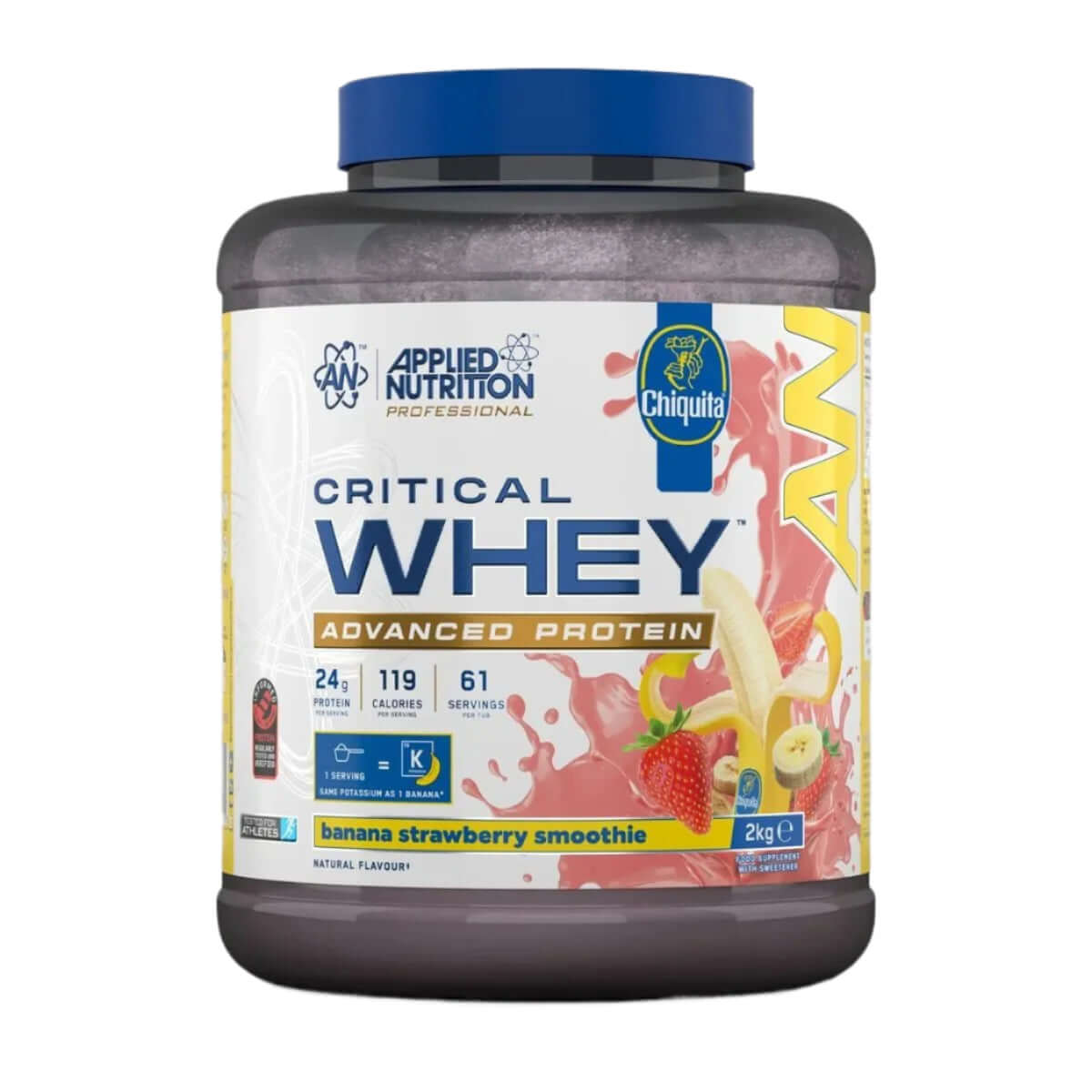
Applied Nutrition Critical Whey
A popular whey blend combining concentrate, isolate and hydrolysed whey for balanced performance and flavour.
Best for Everyday Value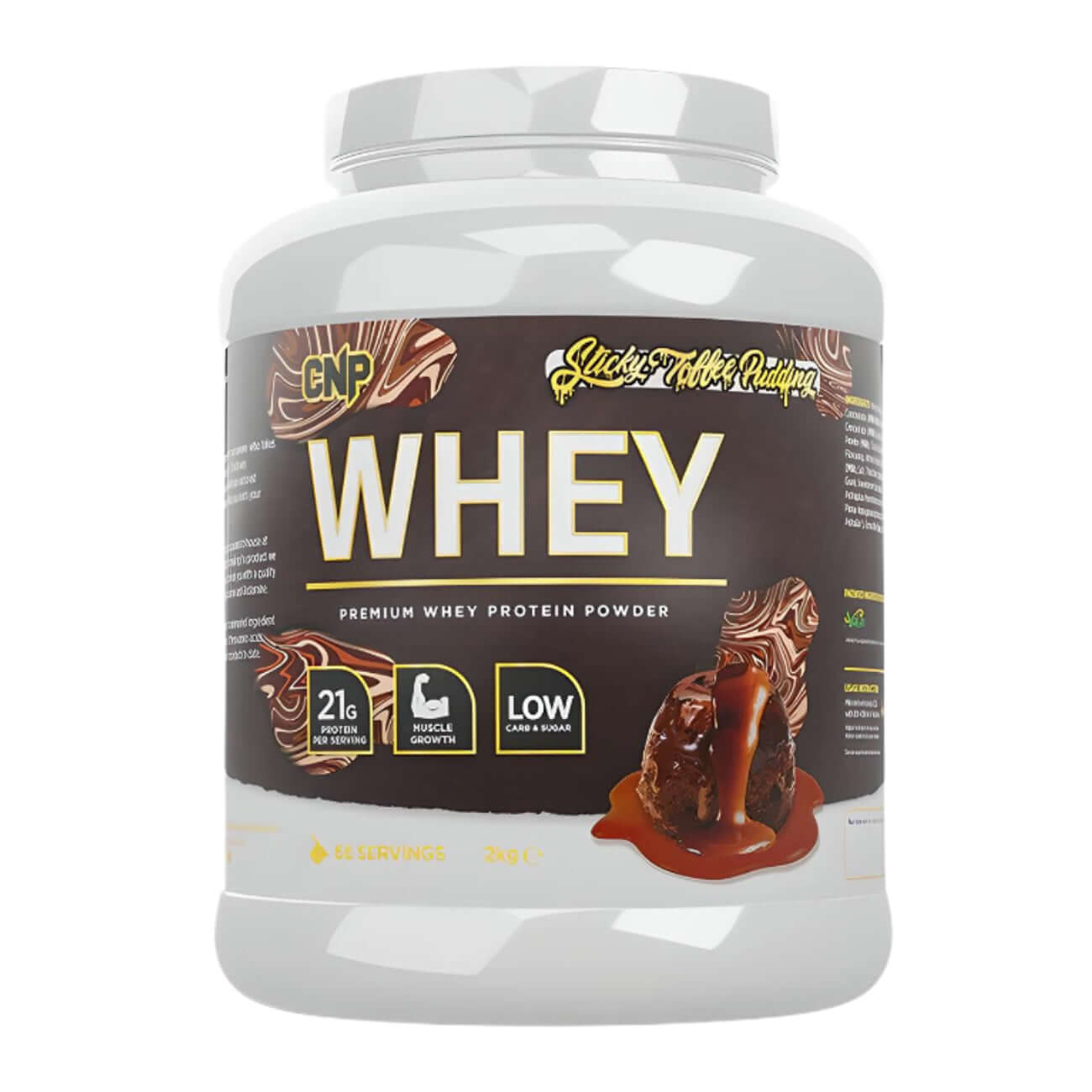
CNP Whey
A reliable everyday whey protein with solid macros and good flavour variety.
Best Whey Concentrate Option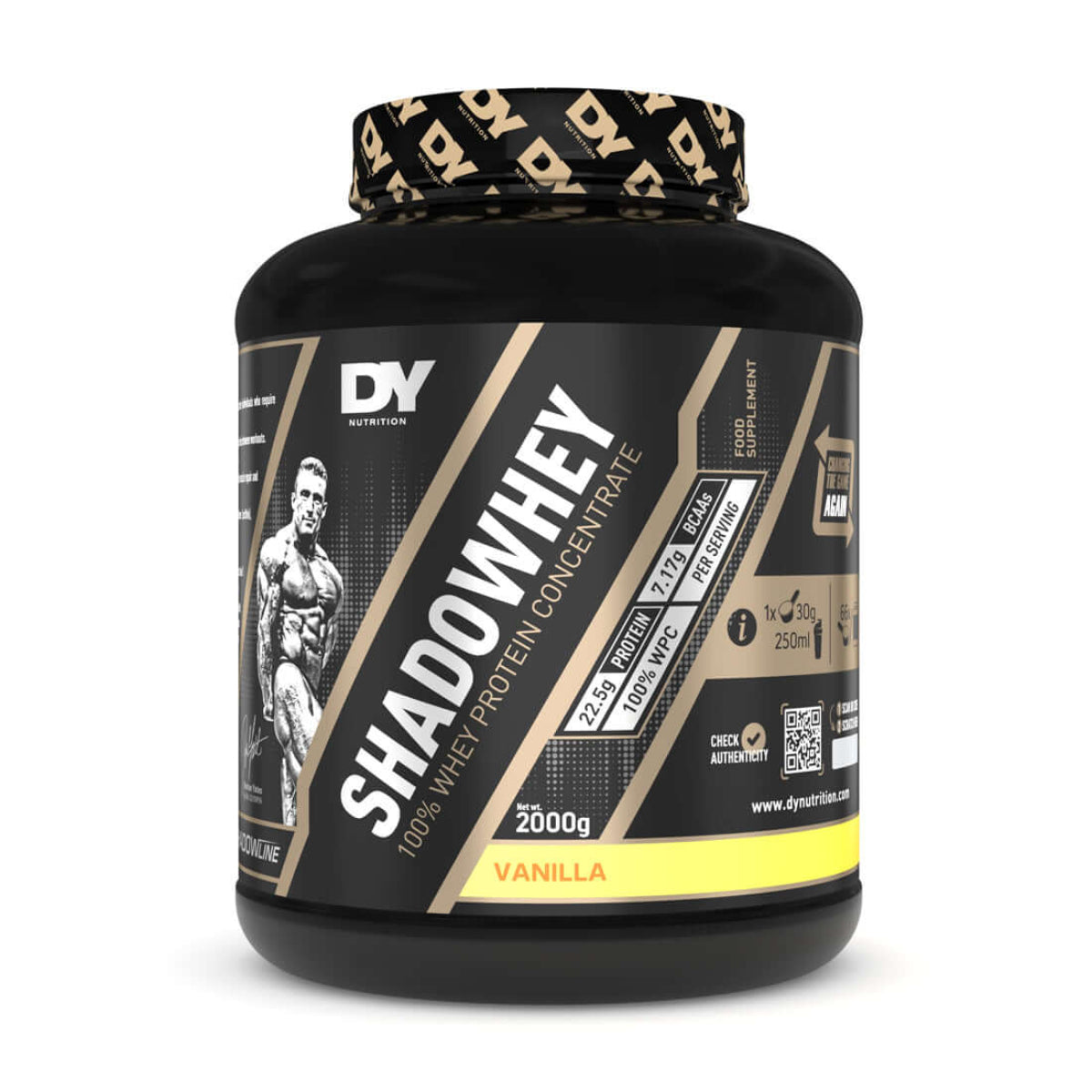
DY Nutrition Shadowhey
A straightforward whey concentrate designed for muscle growth and recovery support.
Best for Taste
Naughty Boy Advanced Whey
A premium whey blend known for flavour quality and smooth texture.
Best Isolate Option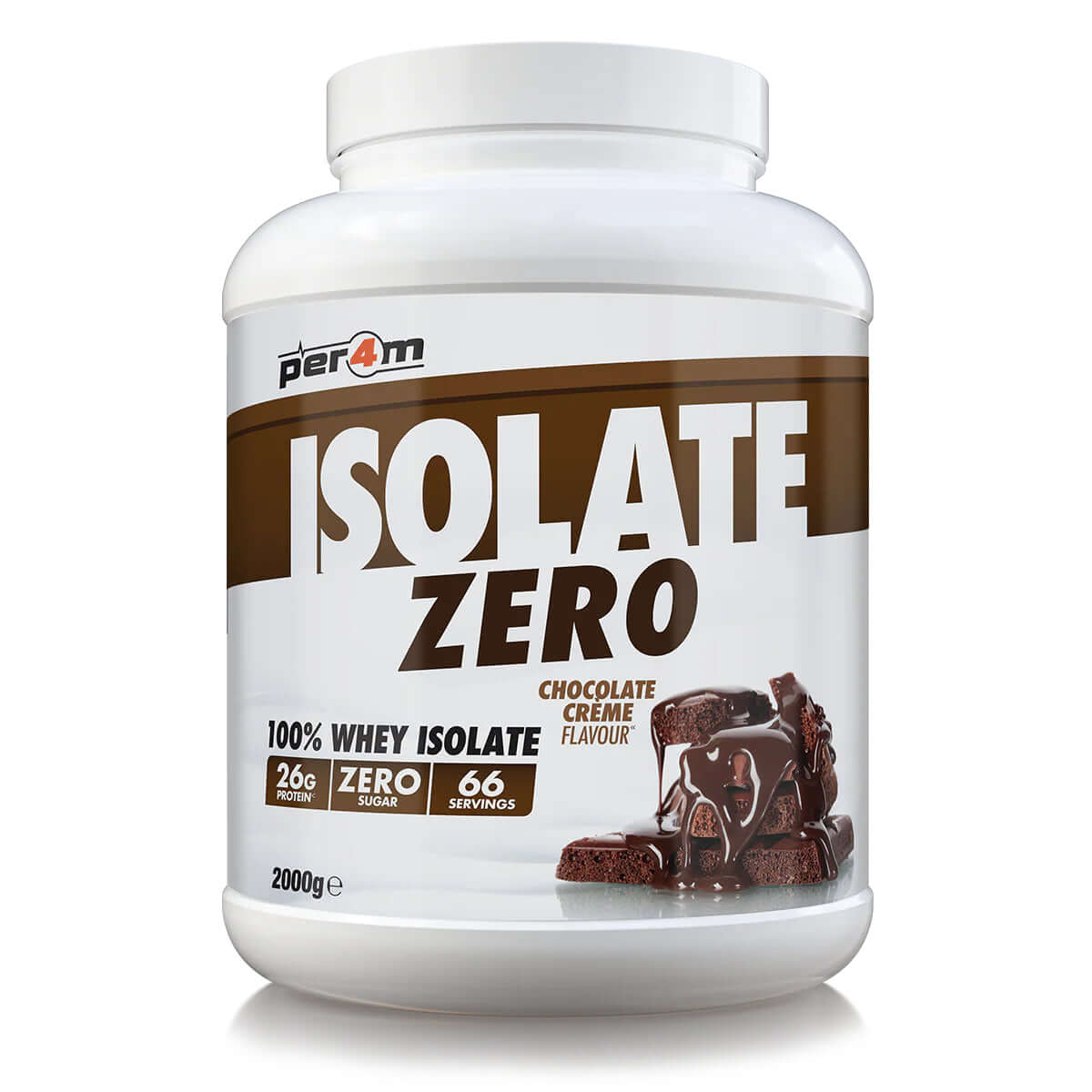
PER4M Isolate Zero
A lean whey isolate formula designed for lower carbs, lower fats and higher protein concentration.