
Adding more protein should help your training, not leave you feeling heavy, bloated or constantly uncomfortable. That is why digestive support for high protein diets matters just as much as your total daily intake, especially if you are pushing calories up for a bulk, relying on shakes for convenience or jumping straight from a moderate intake to a very high one.
Protein is essential for muscle growth, recovery and appetite control, but your digestive system still has to process it. When that process is not going smoothly, the usual signs show up fast - bloating after shakes, excessive fullness, trapped wind, stomach cramps or changes in bowel habits. For some people, the issue is the amount of protein itself. For others, it is the type of protein, the speed they are eating, low fibre intake or a poor overall meal structure.
Why high protein diets can upset digestion
A high protein diet is not automatically bad for digestion, but it can expose weak points in your routine. If you suddenly move from 90g of protein per day to 180g, your gut has to adapt. That can be even more noticeable if much of that intake comes from dense meals, large portions of meat or multiple shakes.
One common issue is that high protein eating can crowd out other parts of the diet. Some people focus so heavily on hitting protein targets that fibre, fruit, vegetables and fluid intake all drop. That creates a simple problem: food moves through the gut less comfortably, and digestion starts to feel sluggish. In that situation, protein gets blamed, but the wider diet is often the real issue.
The source of protein matters too. Whey concentrate works well for many people, but if you are sensitive to lactose, it can cause bloating or stomach discomfort. High-protein bars can also be a problem, especially when they contain sugar alcohols or added fibres that some people do not tolerate well. Even healthy whole foods such as eggs, dairy or large servings of lean meat may feel harder to digest if your meal size is excessive.
Digestive support for high protein diets starts with protein choice
If your stomach is unsettled, do not assume you need less protein straight away. First, look at which protein sources you are using most often.
Whey isolate is often easier to digest than whey concentrate because it contains less lactose. That makes it a better fit for people who want the convenience of shakes without the bloating that can come with dairy sensitivity. If dairy is still an issue, a plant protein blend may be the better route, although texture and digestibility vary by formula. Some single-source plant proteins can feel heavy, while blended products often sit better.
Whole-food protein choice also matters. Chicken, turkey, white fish, Greek yoghurt, eggs and lean mince are staples for a reason - they are practical, protein-dense and generally well tolerated. But tolerance is individual. Some people digest yoghurt better than milk. Others are fine with whey but feel too full after large steak-based meals. The best approach is not the one that sounds hardest core. It is the one you can eat consistently without digestive stress.
If you are using shakes regularly, choosing the right protein powders can make a noticeable difference to comfort and digestion.
Meal size, timing and eating speed make a difference
A lot of digestive discomfort on high protein diets comes from how food is eaten, not just what is eaten. If you are regularly forcing down 60g to 70g of protein in one sitting because it fits your macros, that can leave you feeling uncomfortable even if the foods are high quality.
Spreading protein more evenly across the day is often a simple fix. Three to five balanced servings usually feel better than one light breakfast, one rushed lunch and one massive evening meal. It also tends to support muscle protein synthesis more effectively than back-loading everything into the last part of the day.
Eating speed matters as well. Fast eating usually means more swallowed air, poorer chewing and less awareness of fullness. That combination can leave you bloated and overly stuffed, particularly with dense protein meals. Slowing down sounds basic, but it works.
The role of fibre and fluids
If you increase protein and forget the basics, digestion usually lets you know. Fibre and hydration are two of the first things to check.
Many gym-goers clean up their diet for a muscle-building phase or cut and end up eating more repetitive meals. Chicken, rice, oats, shakes, eggs. That can work for macros, but if fruit, vegetables, pulses or wholegrains are too low, digestive comfort often suffers. Fibre supports regular bowel function and helps keep the gut environment healthier overall.
There is a balance here. Suddenly loading up on fibre can also cause bloating, especially if your current intake is low. Increase it gradually and pair it with enough fluids. If you are eating more protein, training hard and using creatine supplements as well, drinking enough water becomes even more important for staying comfortable.
When digestive enzymes may help
Digestive enzymes can be useful for people who struggle with certain high-protein meals or shakes, particularly when bloating and heaviness show up soon after eating. These supplements are designed to help break down protein, fats and carbohydrates more efficiently.
For protein digestion, protease is the main enzyme to look for. Some formulas also include lactase, which may help if dairy-based protein products are an issue, and broader enzyme blends for mixed meals. They are not magic, and they will not fix overeating or poor food choices, but they can be a practical support tool.
This is one of those areas where context matters. If you only get symptoms after whey concentrate, switching to isolate may do more than adding enzymes. If large meals are the issue, reducing meal size may help more. But for people with recurring discomfort from protein-heavy eating, enzymes can be worth considering.
Probiotics and gut health on a high protein intake
Digestive support for high protein diets is not only about breaking food down. Gut balance matters too. Probiotics may help support digestive comfort, especially if your diet has been inconsistent, low in variety or heavy on processed convenience foods.
A good probiotic is not a shortcut around poor nutrition, but it may support a healthier gut environment and improve tolerance to your daily food intake. Some people notice reduced bloating and better regularity. Others feel very little. That is normal. Probiotic response is individual, and strain selection matters.
If you are considering probiotics, think of them as part of a wider strategy rather than a fix-all. They tend to work best alongside sufficient fibre, good hydration and a sensible approach to meal composition.
Signs your current approach needs adjusting
If you regularly feel bloated after protein shakes, unusually full after moderate meals, constipated, gassy or inconsistent in the toilet, your plan may need some changes. The answer is not always to cut protein dramatically. More often, it is to improve the structure around it.
Try checking the obvious pressure points first. Are you relying too much on bars and shakes instead of mixed meals? Has your fibre intake dropped? Are you using a protein powder that does not agree with you? Are your meals too large and too rushed? Small changes in those areas can make a noticeable difference within days.
Persistent symptoms should not be ignored, especially if they are severe or new. If discomfort is ongoing despite changing food choices and supplement types, it is worth speaking to a healthcare professional.
A practical way to support digestion without sacrificing protein
For most active people, the best setup is straightforward. Choose protein sources you actually digest well. Spread intake across the day. Keep fibre and fluid intake in check. Use enzyme or probiotic support where it makes sense, not as a substitute for basics.
That might mean swapping whey concentrate for isolate, having a chicken and rice meal with vegetables instead of another bar, or dropping one oversized dinner into two easier meals. It might also mean accepting that a technically perfect macro split is not useful if your stomach feels rough all day.
At The Supplement Store, this is how we look at digestive support products as well - not as hype items, but as practical tools that can help the right person stay consistent with a high-protein plan.
The goal is not to make your diet more complicated. It is to make your protein intake easier to stick to, so your meals support your progress instead of getting in the way.
Digestive Support Supplements for High Protein Diets
If you regularly experience bloating or discomfort from high protein meals, the right digestive support supplement may help improve comfort, digestion and consistency.
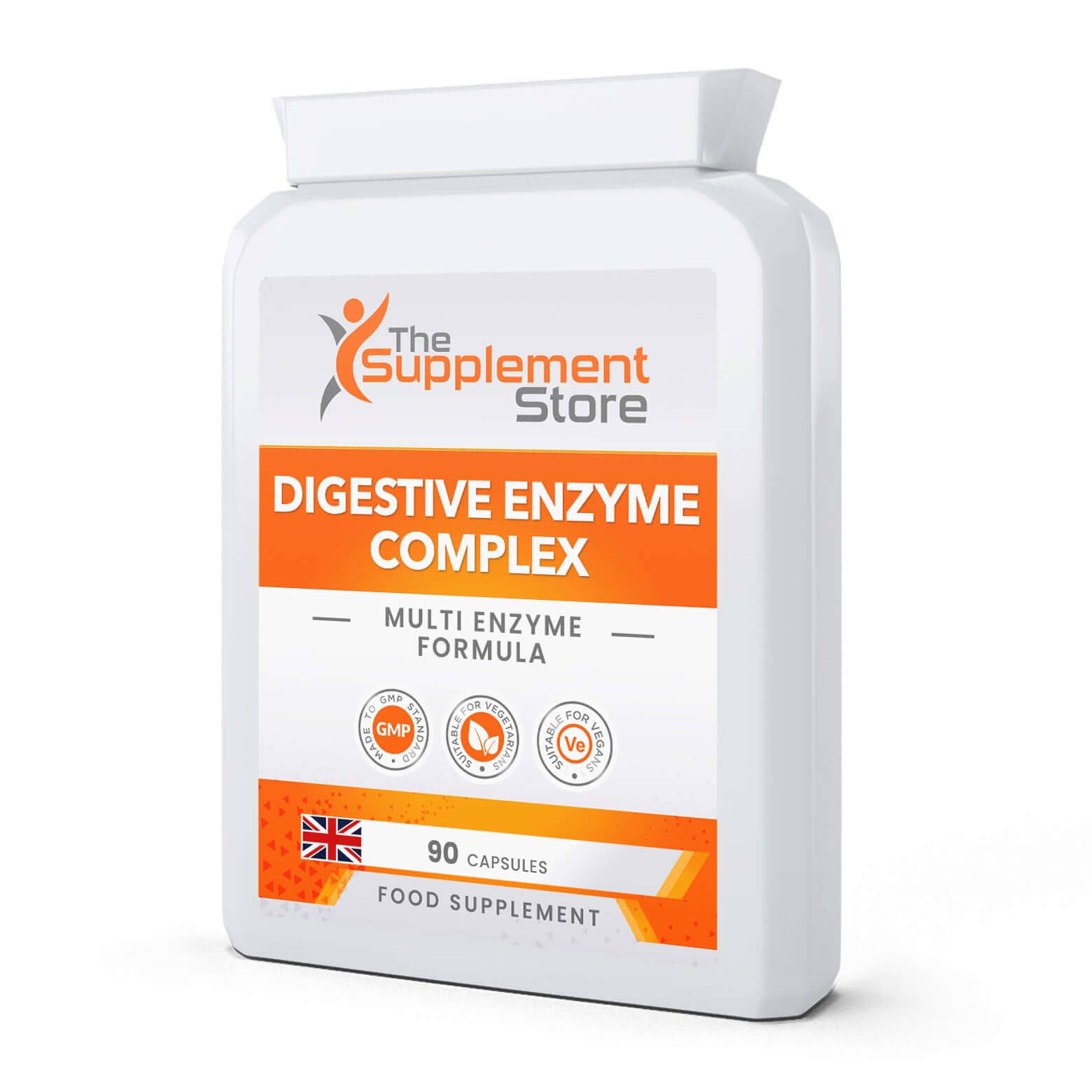
The Supplement Store Digestive Enzyme Complex
A broad-spectrum enzyme blend designed to support digestion of protein, fats and carbohydrates.
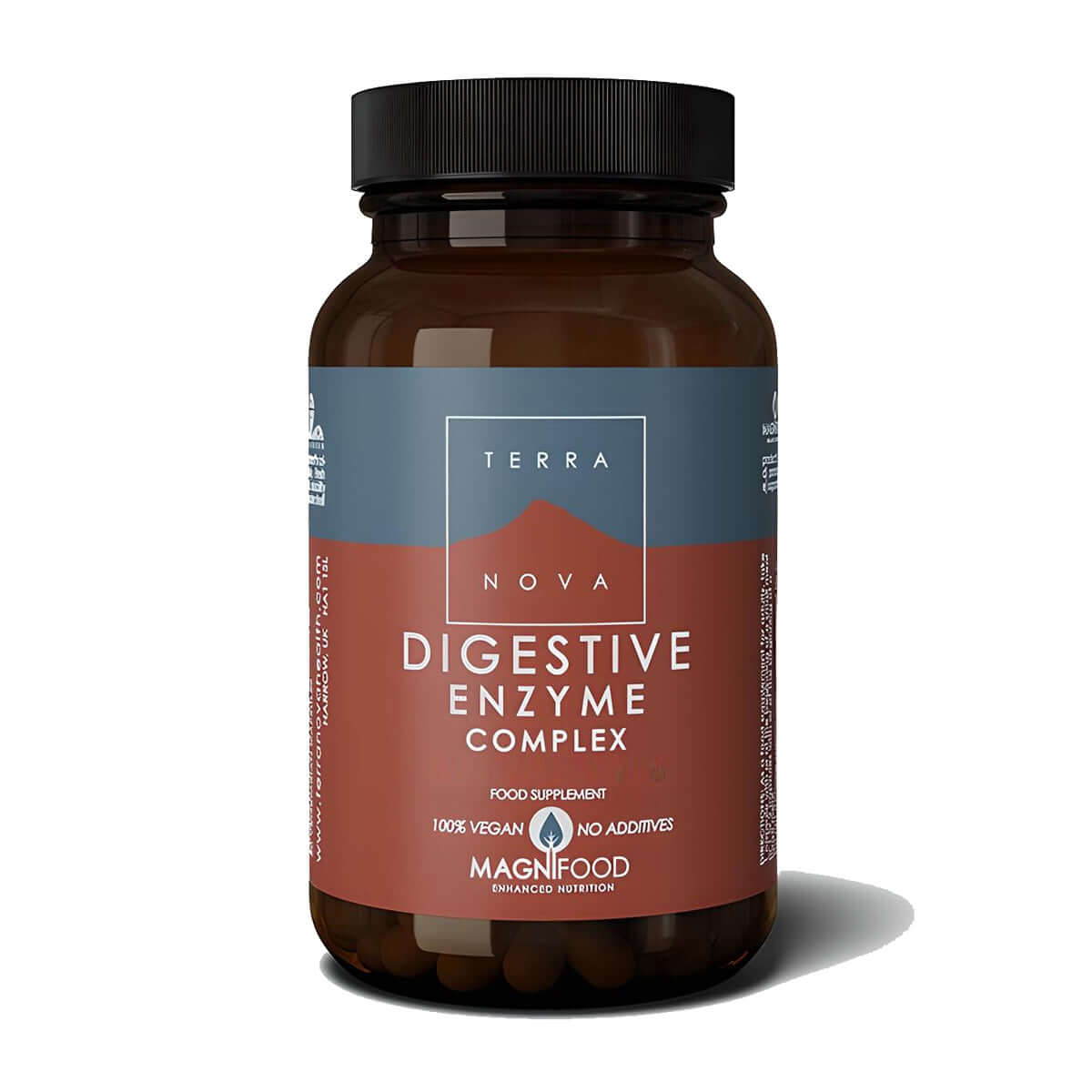
Terranova Digestive Enzyme Complex
A wholefood-based digestive support formula designed for everyday use.

Enzymedica Digest Gold with ATPro
A high-strength digestive enzyme formula aimed at supporting more demanding diets.

Life Extension Enhanced Super Digestive Enzymes
A comprehensive digestive support blend for mixed meals and higher protein intake.

Microbiome Labs MegaSporeBiotic
A spore-based probiotic designed to support gut balance and digestive resilience.
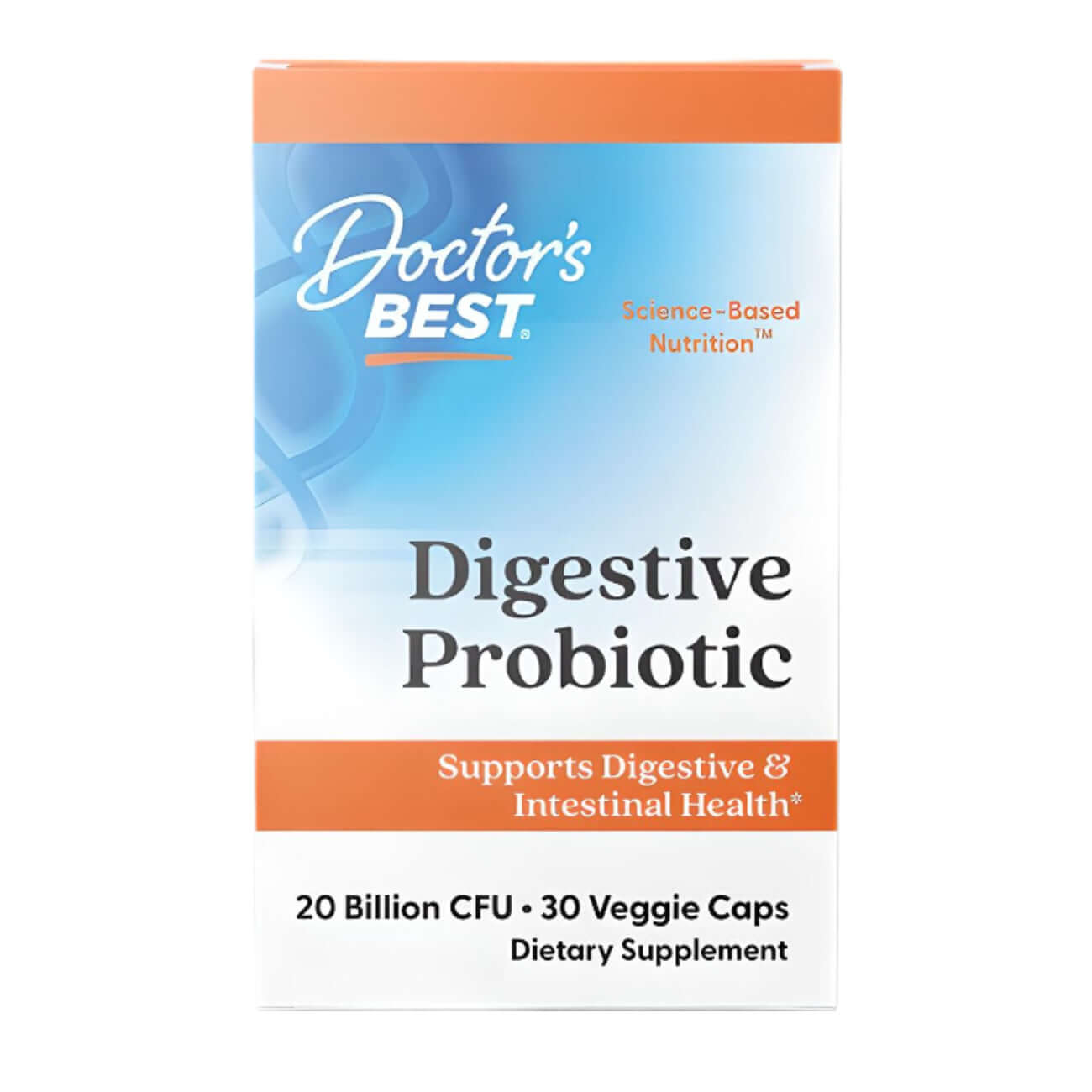
Doctors Best Digestive Probiotic
A multi-strain probiotic formula for everyday digestive support.
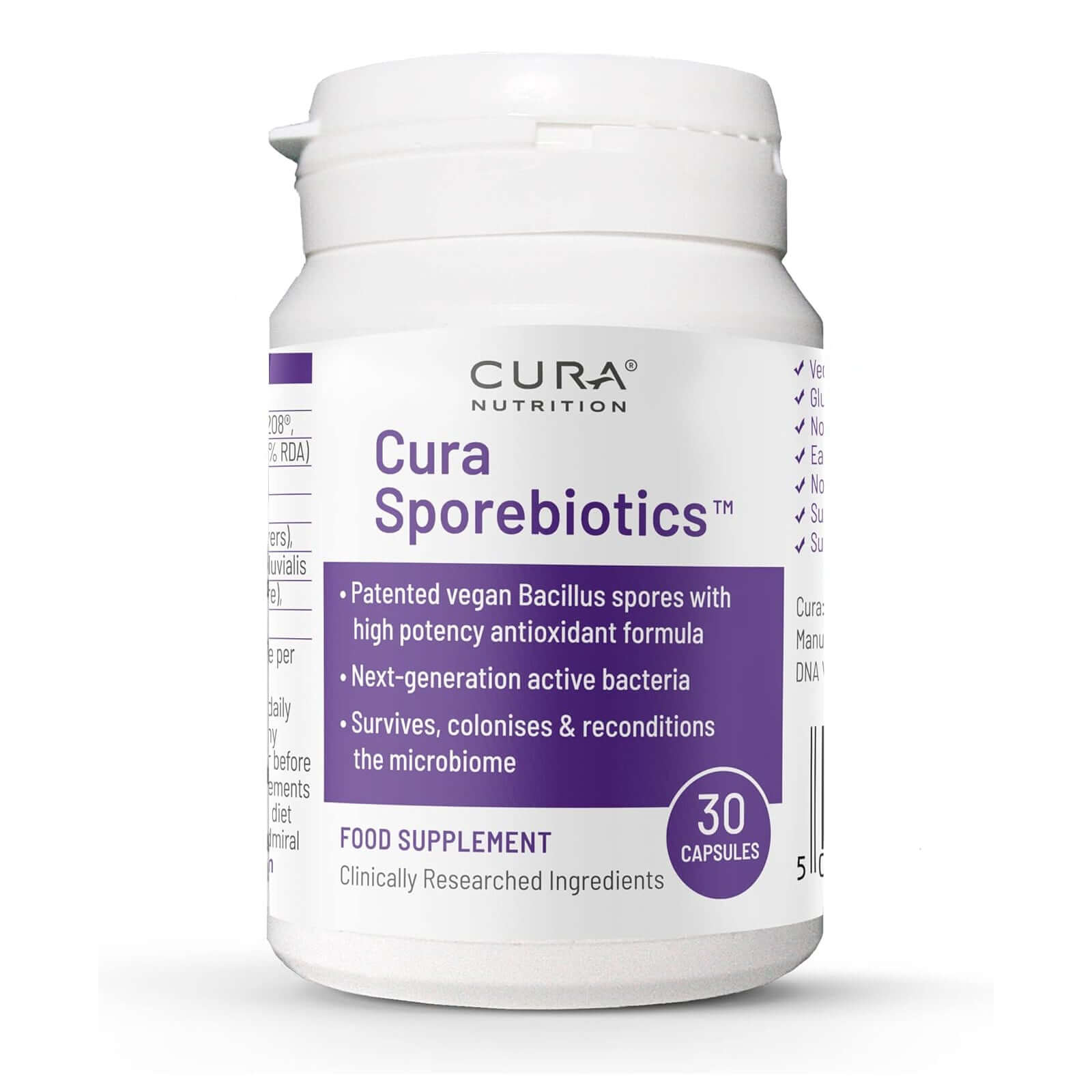
Cura Nutrition CuraSporeBiotics
A spore-based probiotic blend designed to support digestive health and gut stability.