
You notice it halfway through the session. The pump fades, your energy dips, and suddenly the last few sets feel harder than they should. It is not always a pre-workout issue, and it is not always about calories either. In many cases, electrolytes for gym training are the missing piece, especially if you train hard, sweat heavily or spend long sessions in a warm gym.
Electrolytes help regulate fluid balance, muscle contractions and nerve signalling. That means they directly affect how you perform under load, how well you tolerate volume, and how quickly you recover afterwards. You can explore options in our hydration and electrolyte supplements range.
What electrolytes actually do in training
Electrolytes are minerals that carry an electrical charge in the body. The main ones for gym performance are sodium, potassium, magnesium and calcium. Each plays a role, but sodium is usually the one that matters most during sweaty training sessions because it is lost in the highest amounts through sweat.
When electrolyte levels drop too far, hydration can suffer even if you are drinking plenty of water. That is because fluid balance is not just about how much you drink. It also depends on whether your body can absorb, retain and use that fluid effectively.
Are electrolytes for gym training really necessary?
It depends on your training style, your environment and how much you sweat.
If you train for 60 to 90 minutes, combine weights with cardio, or push high-volume sessions, electrolytes become much more relevant. The same applies if you train in hot conditions or naturally sweat a lot.
A simple rule is this: the more fluid and sodium you lose through sweat, the more value you are likely to get from adding electrolytes.
Signs you may benefit
If your performance drops in longer sessions, if you feel drained despite drinking water, or if you regularly get cramps, electrolytes are worth considering.
That said, they are not a fix for everything. Poor conditioning, fatigue and general hydration all play a role.
Key ingredients to look for
Sodium should be your first priority. Many people look straight at magnesium, but for intra-workout hydration, sodium is usually doing the heavy lifting.
Magnesium can still be useful, particularly for recovery and overall intake, but it is not the main driver of acute hydration.
Some products also include carbohydrates or amino acids. These can support longer or more demanding sessions and are often included in more advanced pre-workout supplements.
When to take electrolytes
Before training - useful if you start slightly dehydrated
During training - best for longer or high-sweat sessions
After training - helpful if you have lost a lot of fluid
For shorter sessions, you may not need them at all.
Common mistakes
Drinking large amounts of water without replacing sodium can actually make hydration less effective.
Another issue is overusing electrolyte products for light sessions. Not every workout needs them.
Choosing the right formula
Look for:
- meaningful sodium content
- balanced supporting minerals
- a formula that fits your calorie target
Flavour matters too. If you do not enjoy it, you will not use it consistently.
Popular Electrolyte Supplements for Gym Training
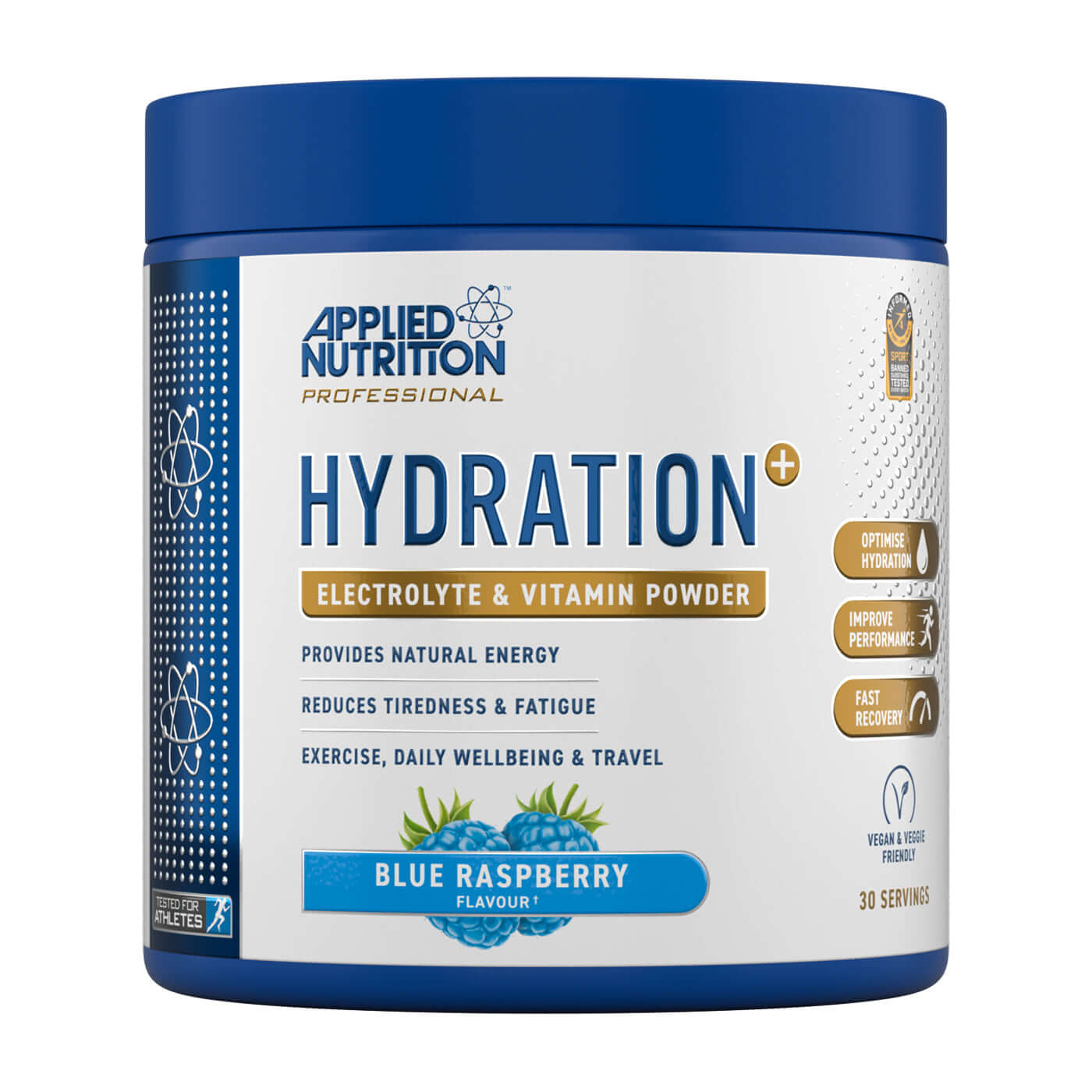
Applied Nutrition Hydration Plus
A well-balanced hydration formula suitable for most training sessions.
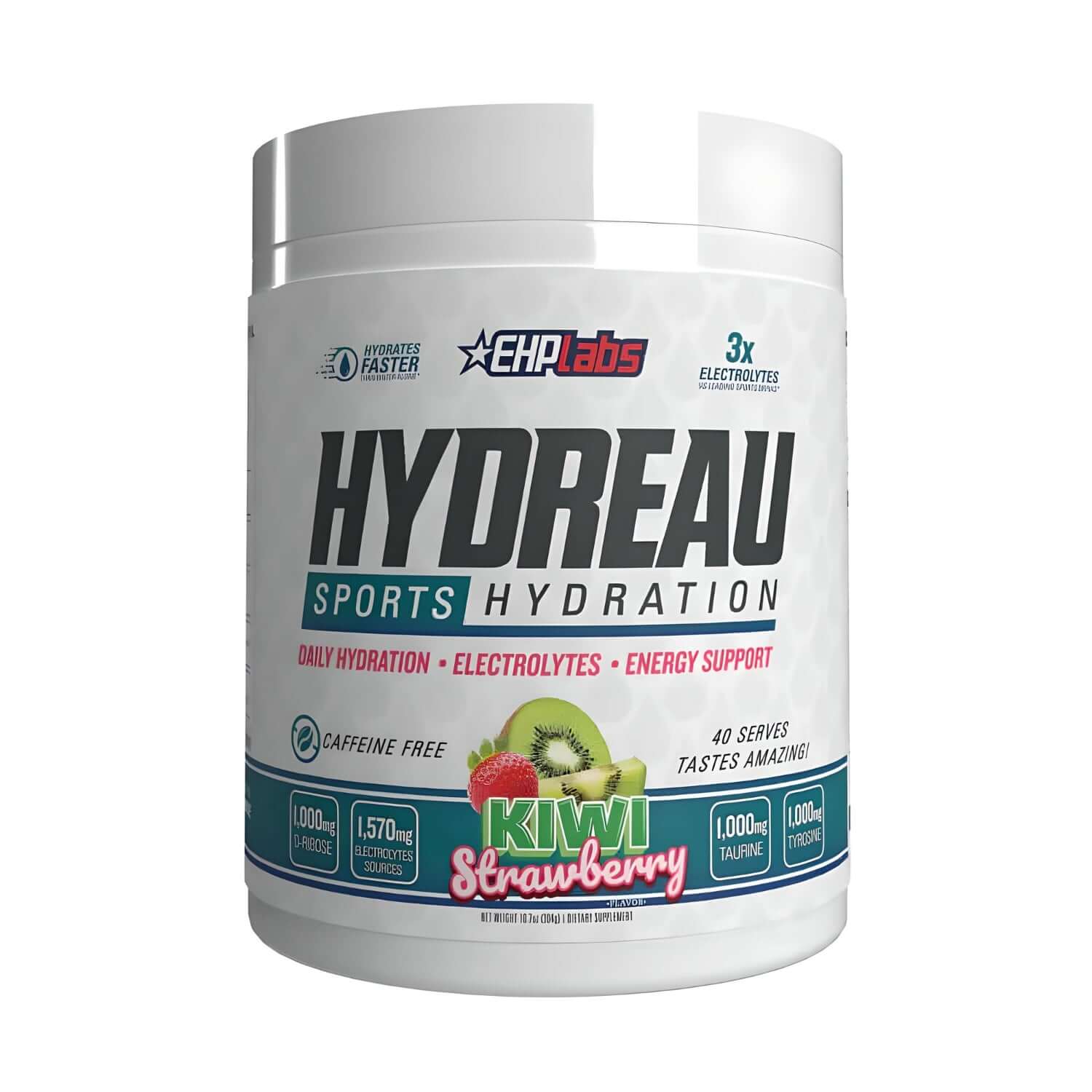
EHP Labs Hydreau
A premium hydration formula designed for performance and recovery.
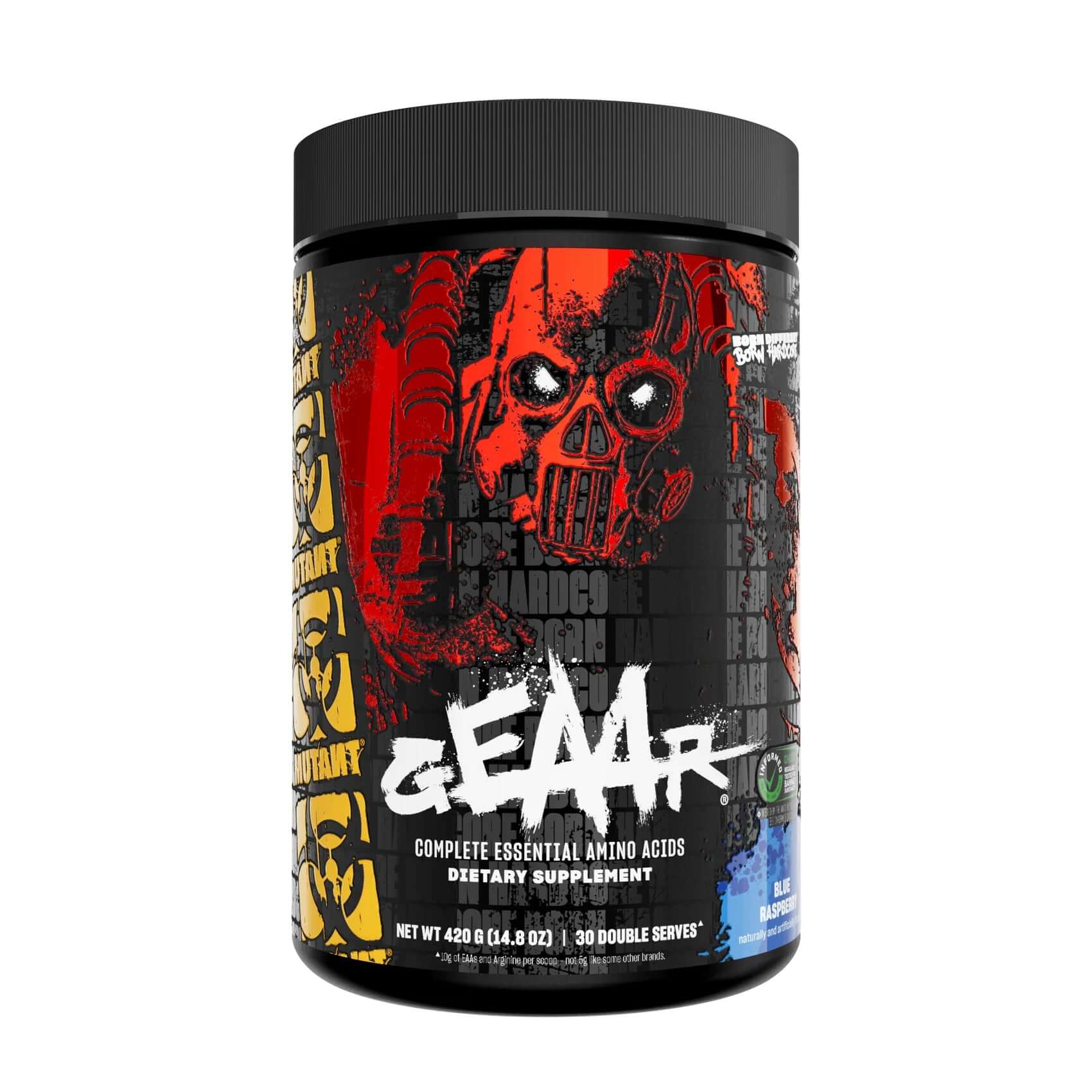
Mutant Geaar
A combination of electrolytes and amino acids for longer, higher-output sessions.
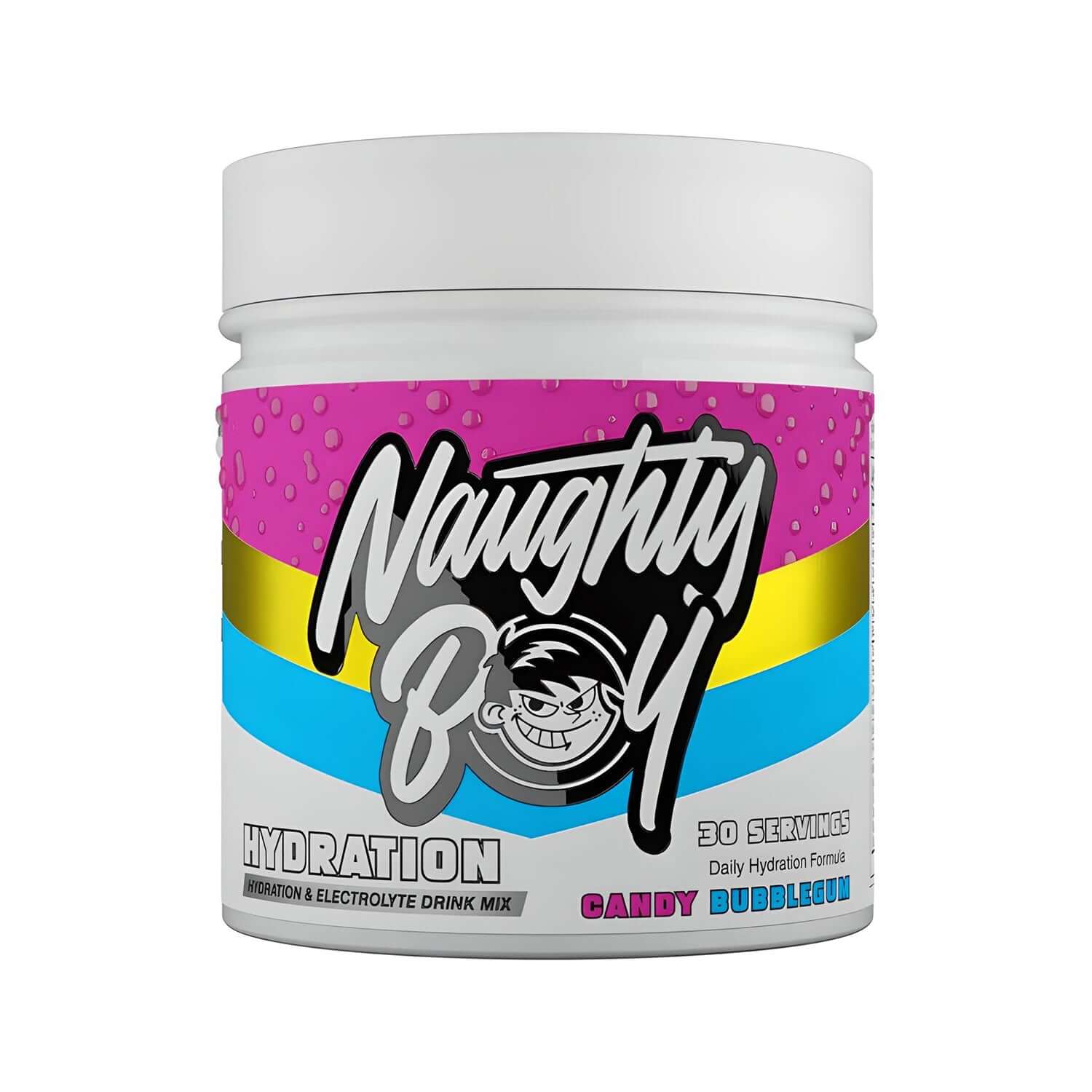
Naughty Boy Hydration
A convenient hydration option with strong flavour profiles.
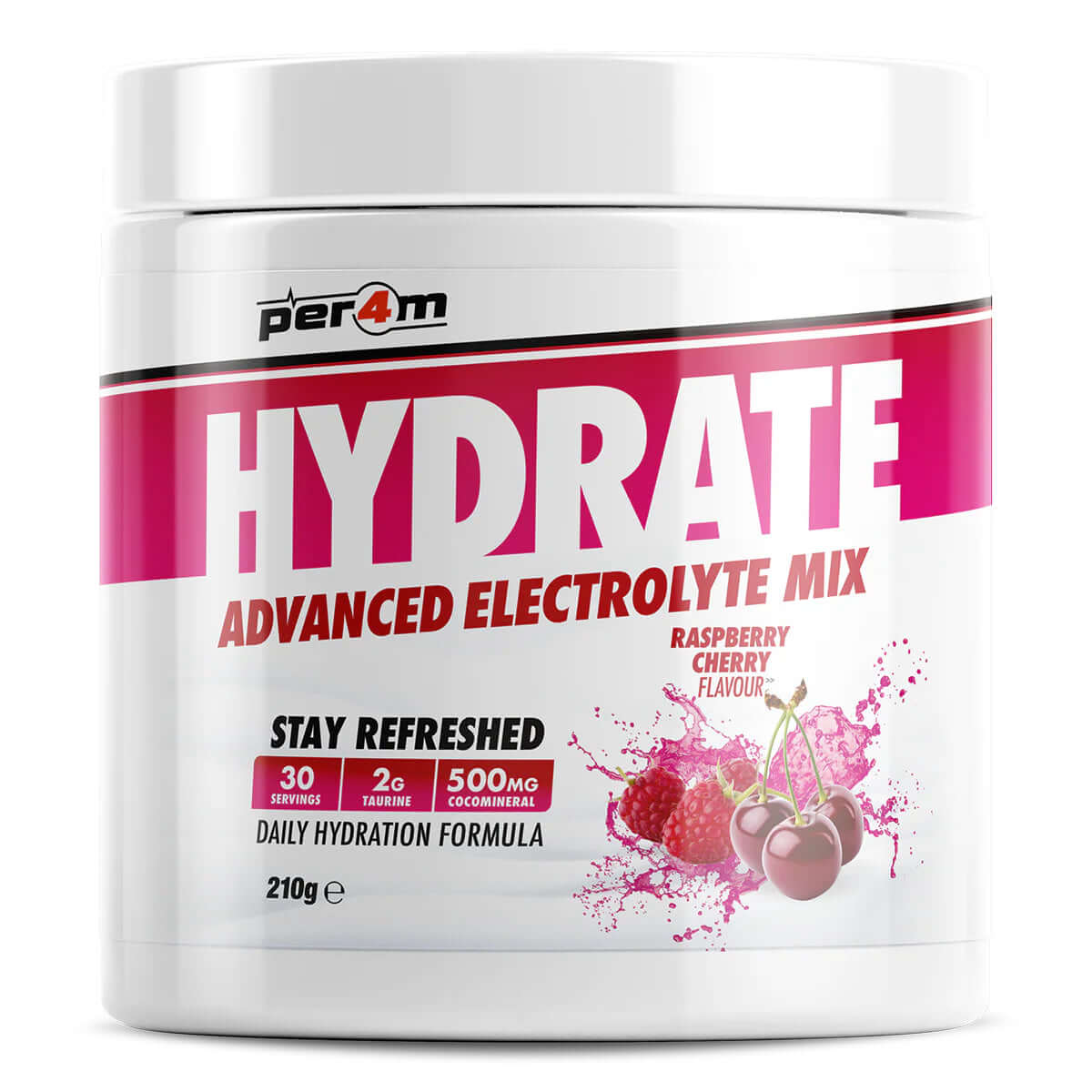
PER4M Hydration
A straightforward electrolyte formula designed for everyday use.