
You can get your training plan right, hit your protein target, and still feel flat in the gym if your sleep is poor. That is why sleep support for recovery matters so much. Most people focus on what happens before and after a session, but a big part of muscle repair, nervous system recovery and day-to-day performance happens overnight.
For anyone training hard, whether that means bodybuilding, strength work, running or simply pushing for better body composition, sleep is not passive downtime. It is when your body gets to work on tissue repair, hormone regulation and overall reset. If sleep quality is poor, recovery tends to suffer first, then training quality follows.
Why sleep support for recovery matters
Recovery is not just about reducing soreness. Good recovery helps you maintain output, manage fatigue and come back ready to train again. Sleep plays a central role here because it affects several systems at once.
During sleep, your body supports muscle protein synthesis, replenishes energy stores and regulates hormones linked to appetite, stress and physical adaptation. If you are sleeping badly for several nights in a row, you may notice lower motivation, reduced training intensity, worse focus and a stronger pull towards high-calorie foods.
There is also the nervous system side of recovery, which many gym-goers underestimate. Heavy lifting, intense conditioning and demanding sport all create stress beyond the muscles themselves. When sleep is short or broken, the body stays in a more fatigued state, which can affect coordination, reaction time and how recovered you feel even if soreness is manageable.
This is where sleep support supplements can help. Not as a shortcut, and not as a replacement for basic habits, but as part of a wider recovery strategy.
What gets in the way of proper recovery sleep
For active people, poor sleep is often a mix of lifestyle factors rather than one single issue. Late training can leave you wired when you should be winding down. High caffeine intake from pre-workouts, energy drinks or fat burners can also carry over into the evening far more than people expect.
Stress is another major factor. That might be work pressure, dieting fatigue, general life admin or simply pushing too hard in training without enough recovery built in. If your body is constantly on high alert, switching off at night becomes harder.
Food timing can matter too. Going to bed very hungry is not ideal for many people, especially during a cut, but eating a huge heavy meal late at night is not always much better. It depends on the person, their digestion and how close that meal is to bedtime.
The basics come first
Before looking at supplements, it is worth tightening up the basics because they usually make the biggest difference.
A consistent bedtime and wake time is one of the best places to start. Your body responds well to routine, and irregular sleep patterns can make it harder to fall asleep even when you are tired.
Keeping your bedroom cool, dark and quiet also matters more than many people realise. If your room is too warm or full of light, sleep quality can drop without it being obvious.
Caffeine timing is another easy win. Plenty of gym users take pre-workout in the late afternoon or evening and then wonder why sleep feels poor. If your sessions are later in the day, going lower on stimulants is often the smarter move.
Supplements that may help support sleep and recovery
When lifestyle basics are in place, some supplements can be useful. The key is choosing products that fit your needs rather than throwing together a random stack.
Magnesium
Magnesium is one of the most popular options for evening use, and for good reason. It plays a role in muscle function, nerve signalling and relaxation. Some people find it useful for helping them feel calmer before bed, particularly if training volume is high or dietary intake is inconsistent.
Not all forms are equal. Magnesium glycinate and citrate are common choices in sleep-focused products, though individual tolerance can vary.
Zinc and mineral blends
Zinc often appears in night-time recovery formulas, sometimes alongside magnesium and vitamin B6. These combinations remain popular with lifters looking to support general recovery and maintain adequate micronutrient intake.
Herbal ingredients
Ingredients such as ashwagandha, lemon balm, chamomile and valerian are commonly used in sleep support formulas. These are generally aimed at helping you wind down rather than acting like strong sedatives.
Ashwagandha is especially relevant for active people because it is often used for stress support alongside recovery.
Glycine and theanine
Glycine and L-theanine are well known in relaxation-focused products. Many users report feeling calmer before bed, and they tend to fit well into a simple evening routine.
What to avoid when using sleep support
More is not always better. Combining several sleep products, adding extra magnesium, then using an aggressive stimulant-heavy pre-workout earlier in the day is not a smart approach.
It is also worth checking labels carefully. Some products are positioned as recovery support but include ingredients that are better suited to daytime stress management rather than actual sleep.
If you train late, the problem may be session timing, stimulant load or meal timing rather than a lack of sleep supplements. In that case, changing the routine often matters more than buying a stronger formula.
Building a practical evening routine
The best sleep support for recovery usually comes from combining a few sensible habits. Finish stimulants early enough that they are not still active at bedtime. Give yourself a proper wind-down period rather than going straight from laptop or phone to pillow.
Keep your evening meal balanced and not excessively heavy. If a supplement helps, use it consistently enough to judge the effect properly.
For many people, that means a simple routine:
- lower caffeine later in the day
- a regular bedtime
- a calm hour before sleep
- targeted sleep support where needed
This is one area where individual response matters. Some people do well with a basic mineral supplement and a better routine. Others need more focus on stress management, especially during hard training phases or calorie deficits.
At The Supplement Store, the strongest recovery results usually come from joining the dots properly: training, nutrition, hydration and sleep all working together.
Treat sleep like part of your programme, not the leftover hours around it. When recovery improves overnight, everything else tends to move better with it.
Popular Sleep Support Supplements for Recovery
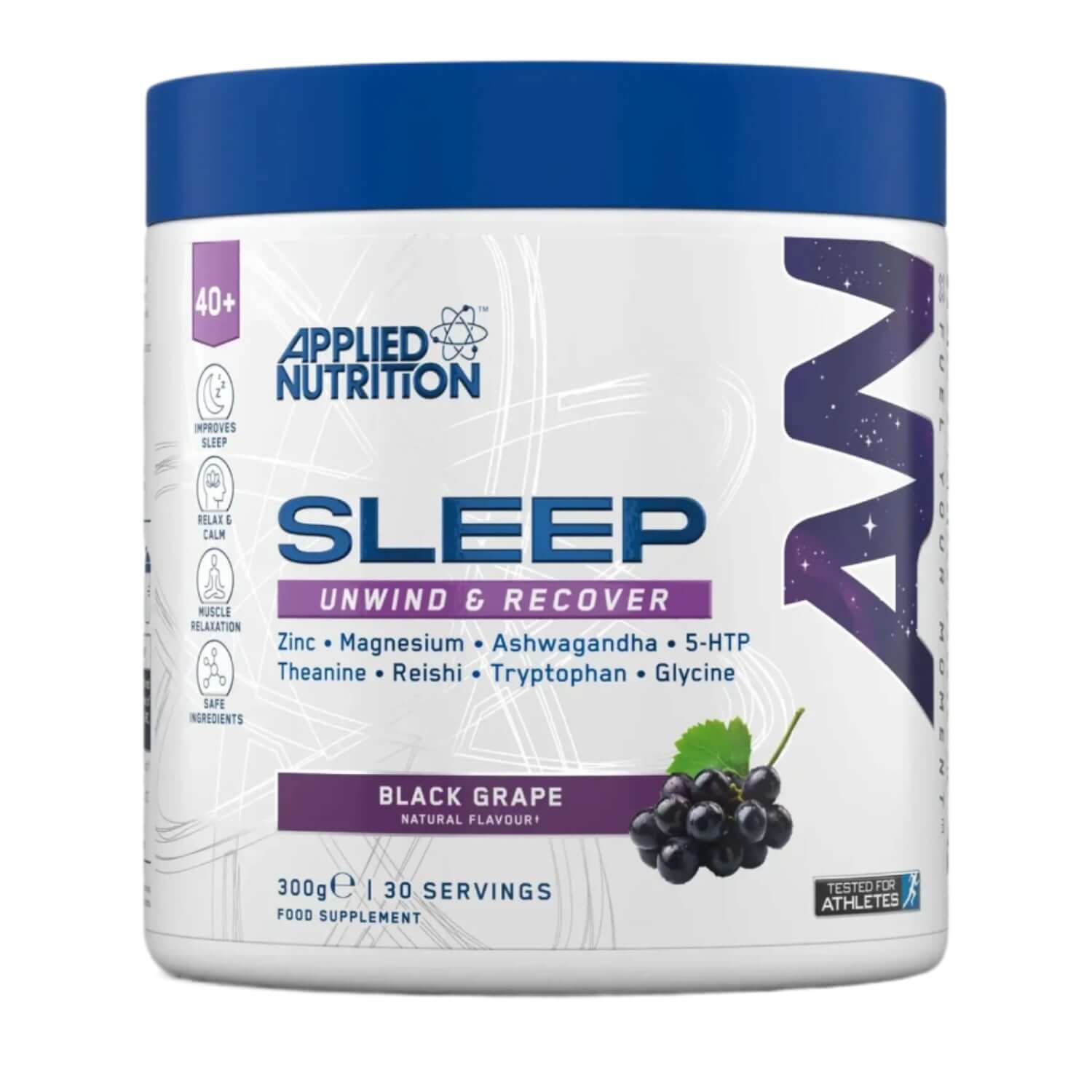
Applied Nutrition Sleep
A comprehensive night-time formula designed to support relaxation and overnight recovery.
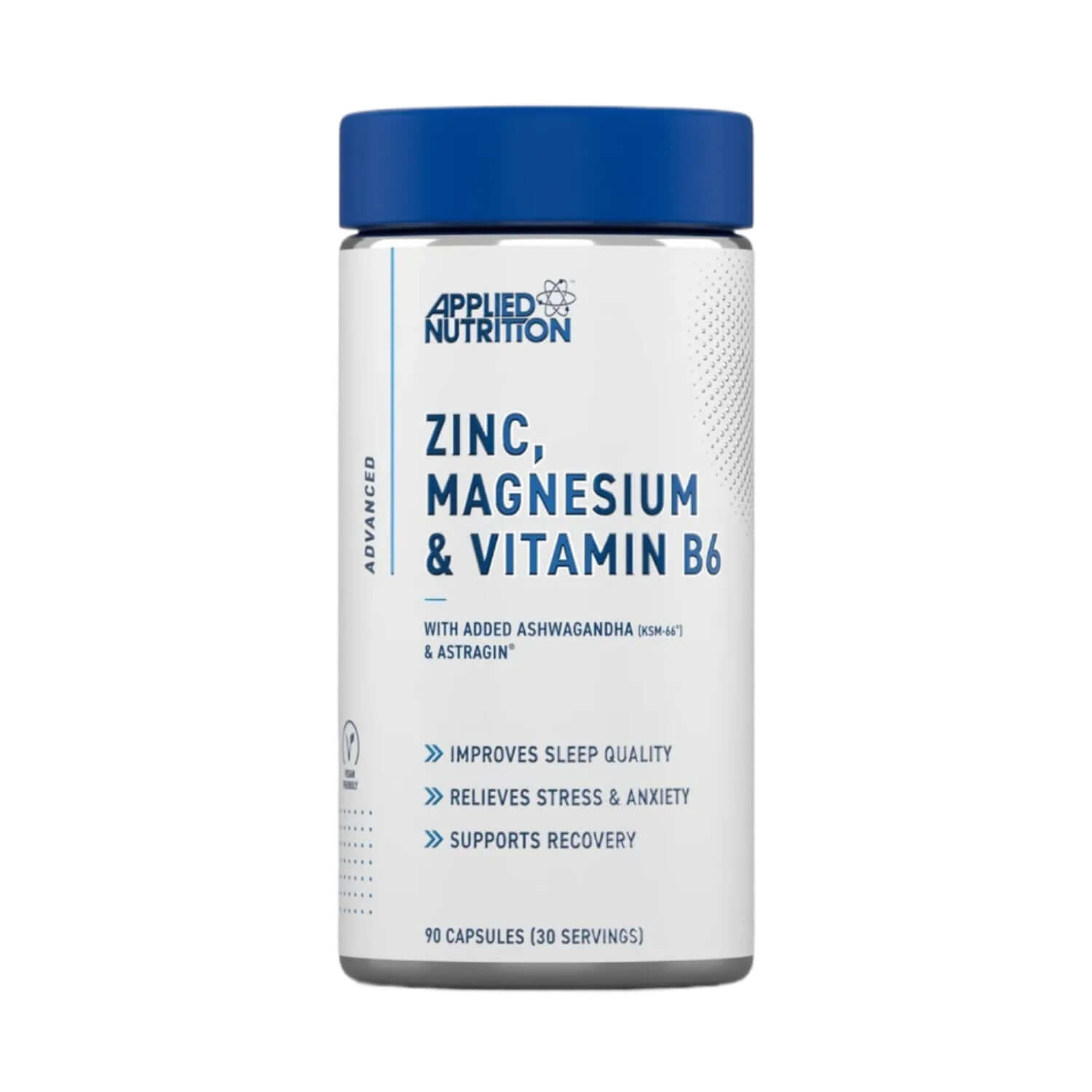
Applied Nutrition ZMA Pro
A classic zinc, magnesium and vitamin B6 recovery formula commonly used before bed.

Beast Pharm Big Z
A powdered recovery formula combining minerals and relaxation-focused ingredients.
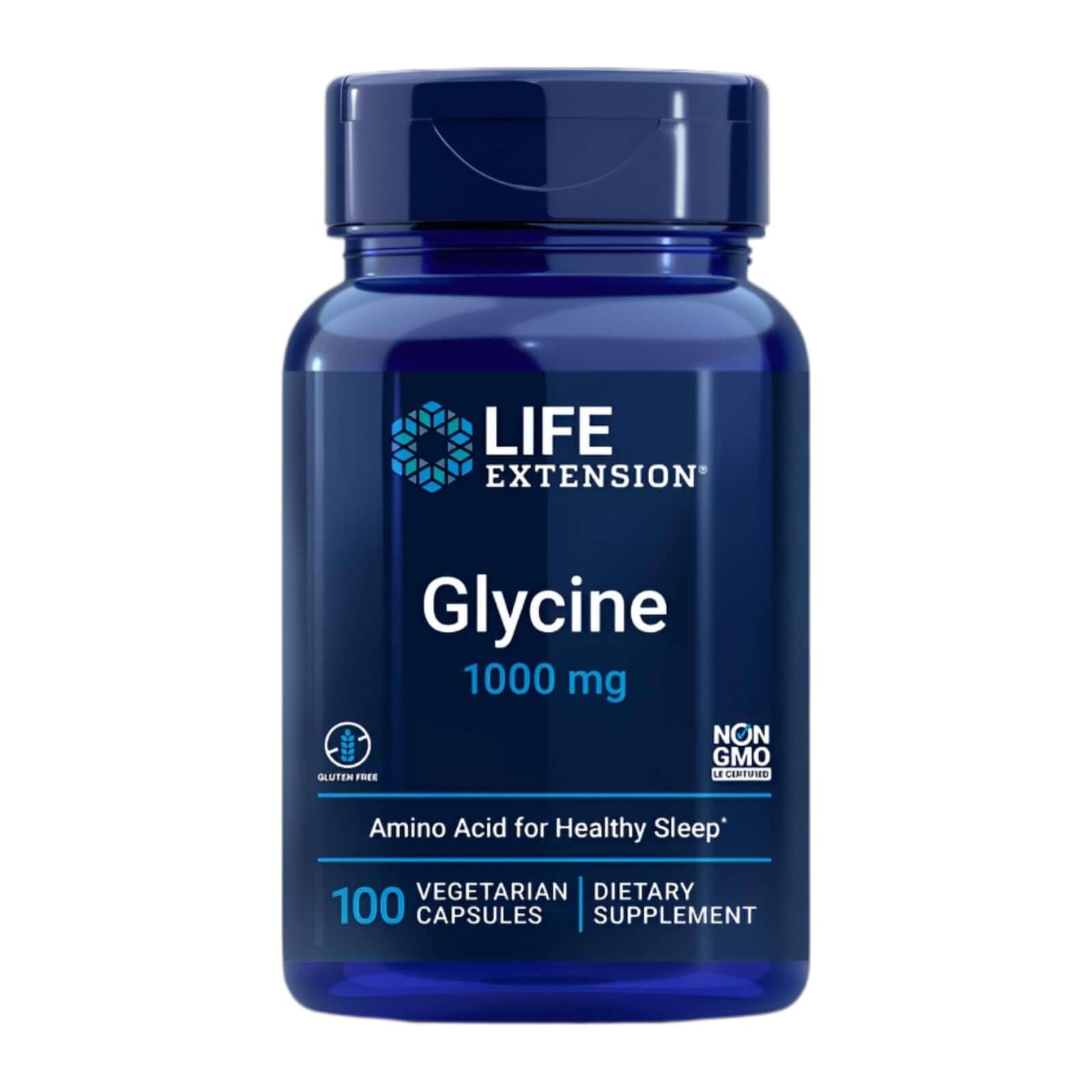
Life Extension Glycine
A simple glycine supplement designed to support relaxation and sleep quality.
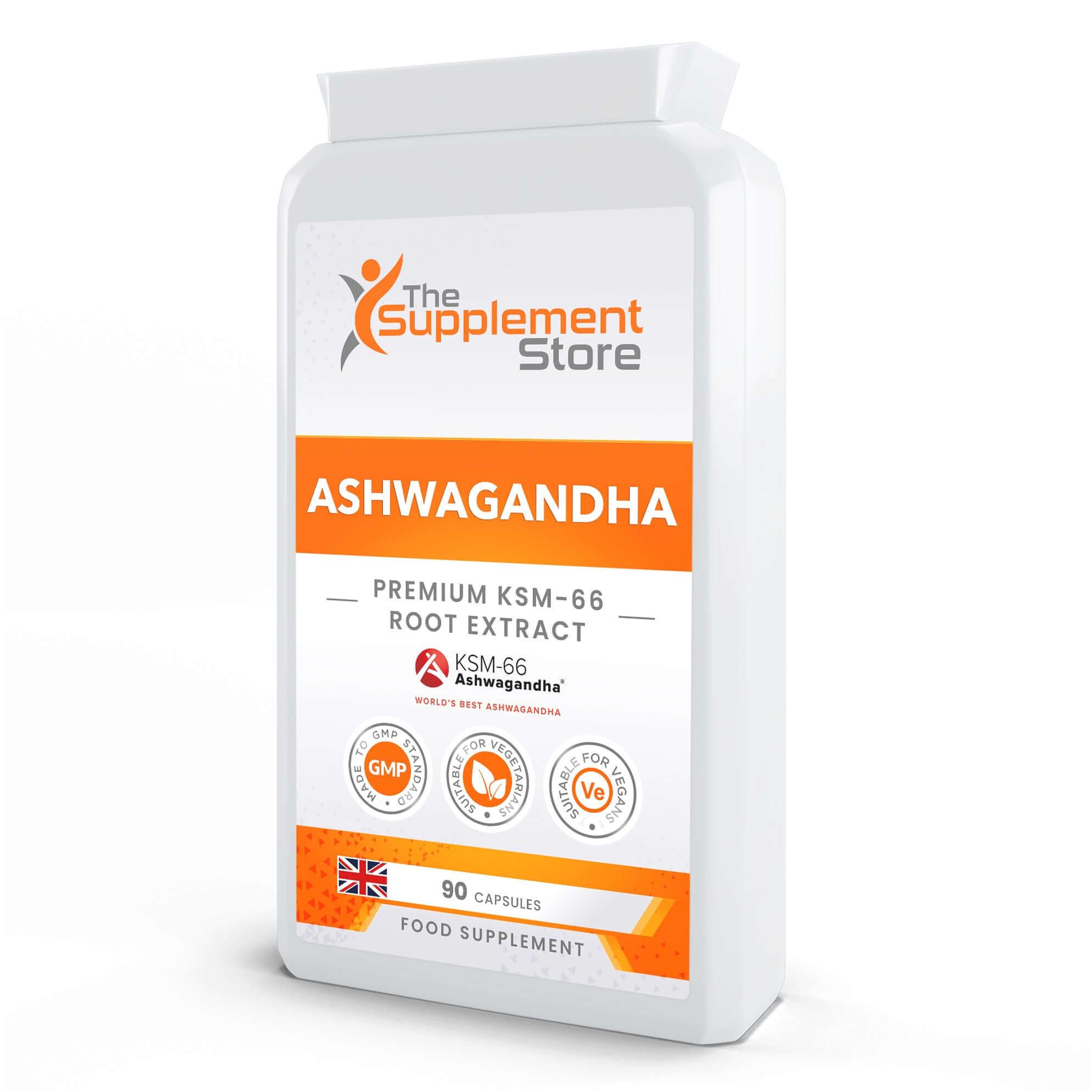
The Supplement Store Ashwagandha KSM-66
A KSM-66 ashwagandha formula designed to support stress management and recovery.
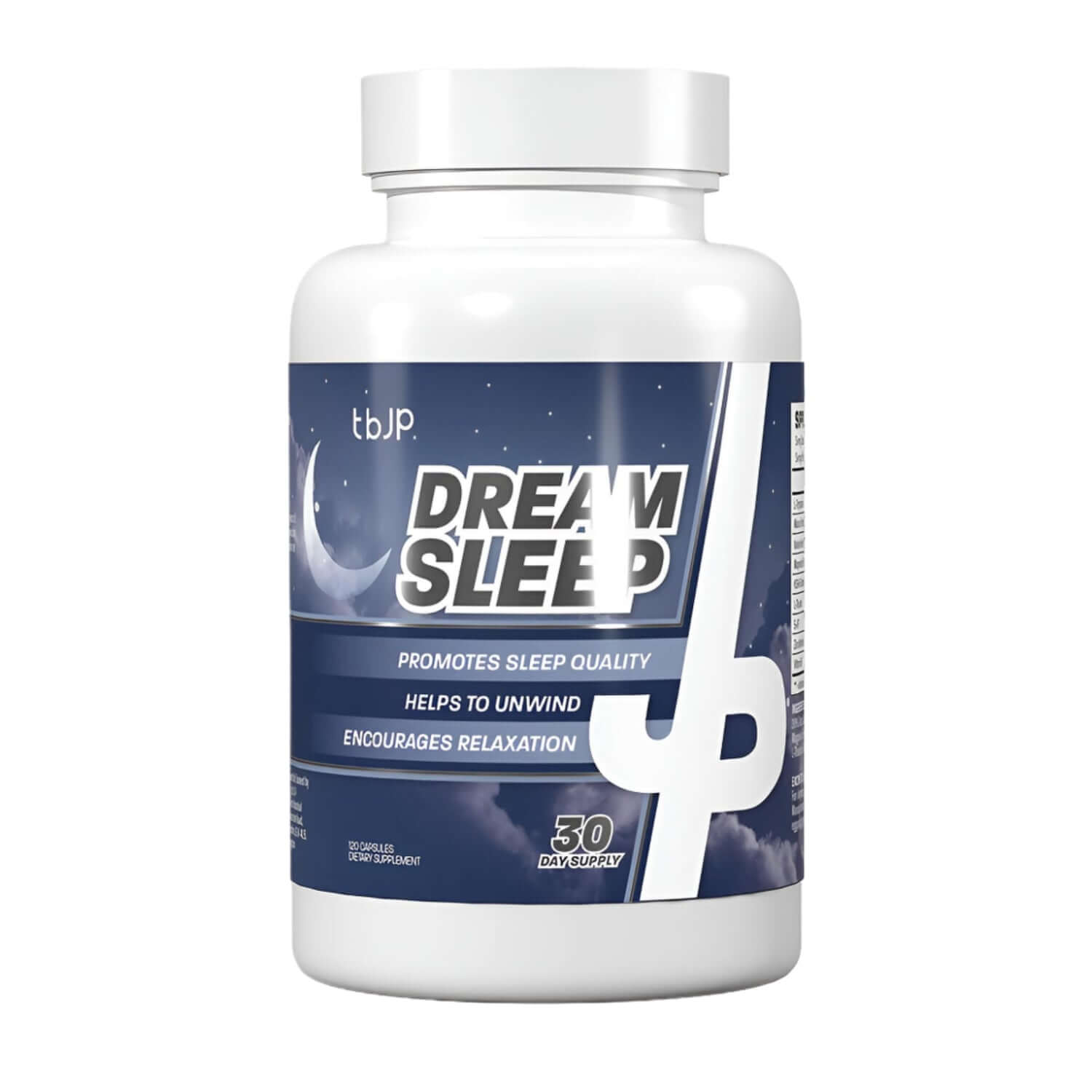
Trained By JP Dream Sleep
TBJP Dream Sleep is a comprehensive bedtime formula combining amino acids, botanical extracts, vitamins and minerals to support relaxation and quality sleep.