
You do not need whey protein to build muscle, lose fat or get fitter. Plenty of people achieve excellent results through good food and consistent training alone. So, is whey protein worth it? For most people, the real question is whether it makes getting enough high-quality protein easier, more convenient and more consistent.
For a lot of gym-goers, the answer is yes. Whey is not magic, and it will not fix poor training or a weak diet. What it can do is remove friction. When your goal is to build muscle, maintain lean mass during a cut, or simply recover better between sessions, convenience matters more than many people admit.
✔ Whey protein is not essential, but it is one of the easiest ways to increase your daily protein intake.
✔ It is most worthwhile if convenience, appetite or a busy lifestyle makes it difficult to eat enough protein from whole foods.
✔ Whole foods should still form the foundation of your diet, with whey used to fill the gaps where needed.
✔ Whey can support muscle growth, recovery and fat loss, but only alongside consistent training and an overall good diet.
✔ If you already meet your protein needs through food every day, whey protein becomes a convenience rather than a necessity.
Is whey protein worth it if you already eat well?
If you already eat enough high-quality protein every day, whey is optional. Chicken, eggs, Greek yoghurt, lean beef, fish, tofu and other protein-rich foods can do the job perfectly well.
Where whey earns its place is in the gap between the plan and real life. A busy workday, early training session, long commute or lower appetite can make whole-food meals harder to manage consistently. A shake gives you a fast, measured serving of protein without much prep, mess or guesswork.
That convenience is not a small benefit. Results usually come from sticking to the basics for months, not from doing everything perfectly for a week. If whey helps you hit your protein target day after day, then it has practical value beyond its ingredient label.
What whey protein actually does
Whey protein is a dairy-derived protein that contains all nine essential amino acids. It is naturally rich in leucine, the amino acid most closely linked with stimulating muscle protein synthesis. In simple terms, it gives your body the raw material it needs to repair and build muscle tissue after training.
That does not mean whey is superior to every whole food in every situation. It means it is an efficient option. It digests quickly, mixes easily and usually provides a strong protein dose for relatively few calories.
For people trying to gain muscle, that makes it a useful add-on around training or between meals. For those dieting, it can be an easy way to keep protein high without pushing calories too far. For beginners, it can be one of the simplest supplements to understand because the purpose is straightforward.
When whey protein is most worth it
Whey tends to be worth it when convenience, appetite or schedule are limiting your intake. If you regularly miss meals, struggle to eat enough protein at breakfast, or want a post-workout option that takes less than a minute to prepare, it solves a real problem.
It is also useful during a fat-loss phase. Higher protein intakes can support fullness and help preserve lean mass while calories are lower. A whey shake can fit neatly into that setup, especially if your food choices need to stay tight and predictable.
For people trying to gain size, whey helps in a different way. It is not the best tool for adding lots of calories on its own, but it can increase overall protein intake without making meals feel too heavy. If your biggest challenge is eating enough calories rather than enough protein, our comparison of mass gainer vs whey may also be useful.
Older trainees may benefit too. As protein needs become harder to meet through appetite alone, an easy digesting source can be helpful. The same applies to shift workers, students and anyone whose meal timing is inconsistent.
When whey protein may not be worth it
If you already hit your protein intake comfortably through food and do not value the convenience, whey may add very little. In that case, it becomes more of a preference than a necessity.
It may also be poor value if you buy it with unrealistic expectations. Whey will not make up for low effort in the gym, random meal choices or lack of sleep. Some people expect a visible transformation just from adding a shake. That is where disappointment starts.
Digestive tolerance matters as well. Some people handle whey concentrate without any issue, while others feel bloated or uncomfortable, especially if lactose is a problem. If that sounds familiar, whey isolate or a non-dairy protein powder may suit you better.
Cost is another fair consideration. Whey protein is considerably more expensive than it was even a few years ago. If you have wondered why prices have risen so much, we have looked at the reasons in detail in our article: Why Has Whey Protein Become So Expensive?
Whey vs whole food protein
This is where context matters. Whole foods are better for building a balanced diet. They tend to keep you fuller, offer a broader nutrient profile and help create normal eating habits that support long-term progress.
Whey is better for speed, portability and accuracy. A single scoop provides a measured amount of protein without cooking, refrigeration or much planning. That is why many experienced lifters use both rather than treating it as one or the other.
A chicken breast and a protein shake can both help you reach your target. The best option depends on the situation. If you are at home with time to cook, whole food usually wins. If you have just finished training and are rushing back to work, whey is hard to beat.
How much difference does whey really make?
On its own, not much. As part of a structured routine, quite a lot.
The main benefit is consistency. Muscle gain and recovery depend heavily on total daily protein intake over time. If whey helps you regularly reach a sensible target, then it can make a noticeable difference indirectly. Not because the powder is special, but because adherence is special.
For most active people, a common target is somewhere around 1.6 to 2.2 grams of protein per kilogram of body weight per day, depending on training demand, goals and dieting status. You do not need every gram to come from whey. In fact, it should not. But using one or two servings to close the gap can be very effective.
If you are unsure how this translates into meals or shakes, our guide on how much whey protein per serving can help.
Which type of whey makes the most sense?
Whey concentrate is usually the most cost-effective choice and works well for many people. It contains a high protein content, though not as high as isolate, and may include a bit more lactose and fat.
Whey isolate is more filtered, so the protein percentage is higher and lactose is lower. It often suits people who want a leaner formula or who do not tolerate concentrate particularly well.
Hydrolysed whey exists too, but for most buyers it is not essential. The step up in price often matters more than the step up in performance.
If your goal is value, concentrate is often enough. If digestion or calorie control is a bigger priority, isolate can be worth the extra spend.
If you are unsure which type is right for you, our guide to whey concentrate vs isolate compares the two in more detail.
Is whey protein worth it for beginners?
Yes, provided expectations are realistic. For beginners, whey can be one of the most practical supplements because it supports a basic need rather than trying to act as a shortcut. If you are new to training and not sure where to start, getting enough protein is far more important than chasing complicated stacks.
That said, beginners do not need to rush into buying the biggest tub available. First work out how much protein you are actually eating. If your meals already cover it, whey is a convenience purchase. If they do not, it can be a smart first addition.
If you are buying your first protein powder, our guide to the best whey protein for beginners explains what to look for.
At The Supplement Store, this is often where simple product choice matters most. A straightforward whey from a trusted brand is usually more useful than overthinking flavours, gimmicks or inflated claims.
The real verdict on is whey protein worth it
Whey protein is worth it when it helps you solve a real problem. That might be low daily protein intake, poor meal timing, weak recovery habits or the need for a quick option after training. It is less worth it when you already eat well, dislike shakes or expect it to do the work for you.
The best way to judge it is not by asking whether whey is essential. It is not. Ask whether it makes your routine easier to stick to. If the answer is yes, it has value. If the answer is no, spend your money elsewhere and keep nailing the basics.
One thing we have consistently seen since first selling sports nutrition in 2003 is that whey protein remains one of the few supplements that continues to deliver genuine value. Trends come and go, but helping people meet their daily protein target has never gone out of fashion.
A good supplement should make your training life simpler, not more complicated. Whey does that for many people, and that is exactly why it remains one of the few products that earns its place year after year.
Popular Whey Protein Options

PER4M Whey Protein
A popular everyday whey protein with a wide flavour range and strong customer following.
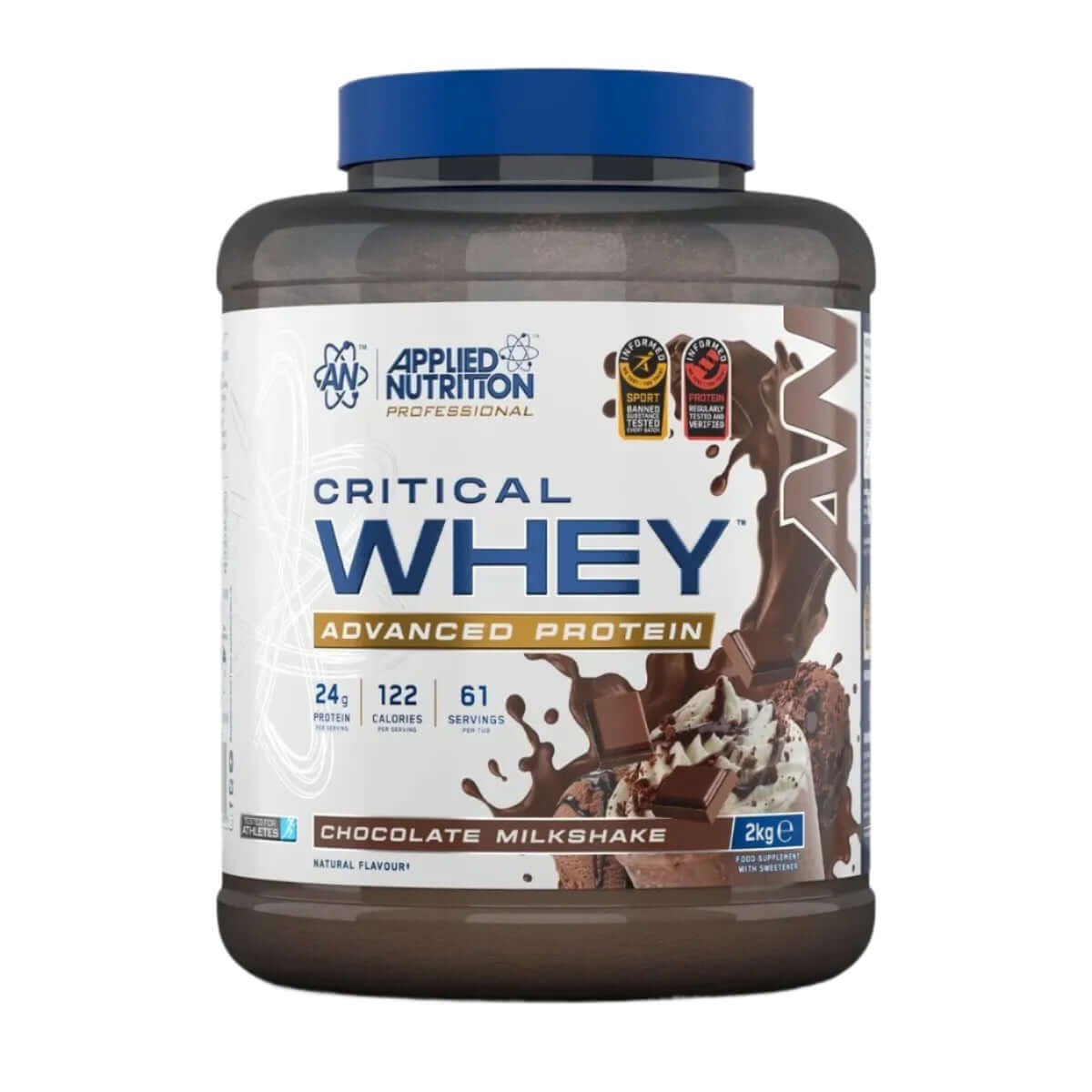
Applied Nutrition Critical Whey
A well-known blend combining whey concentrate, isolate and hydrolysed whey.
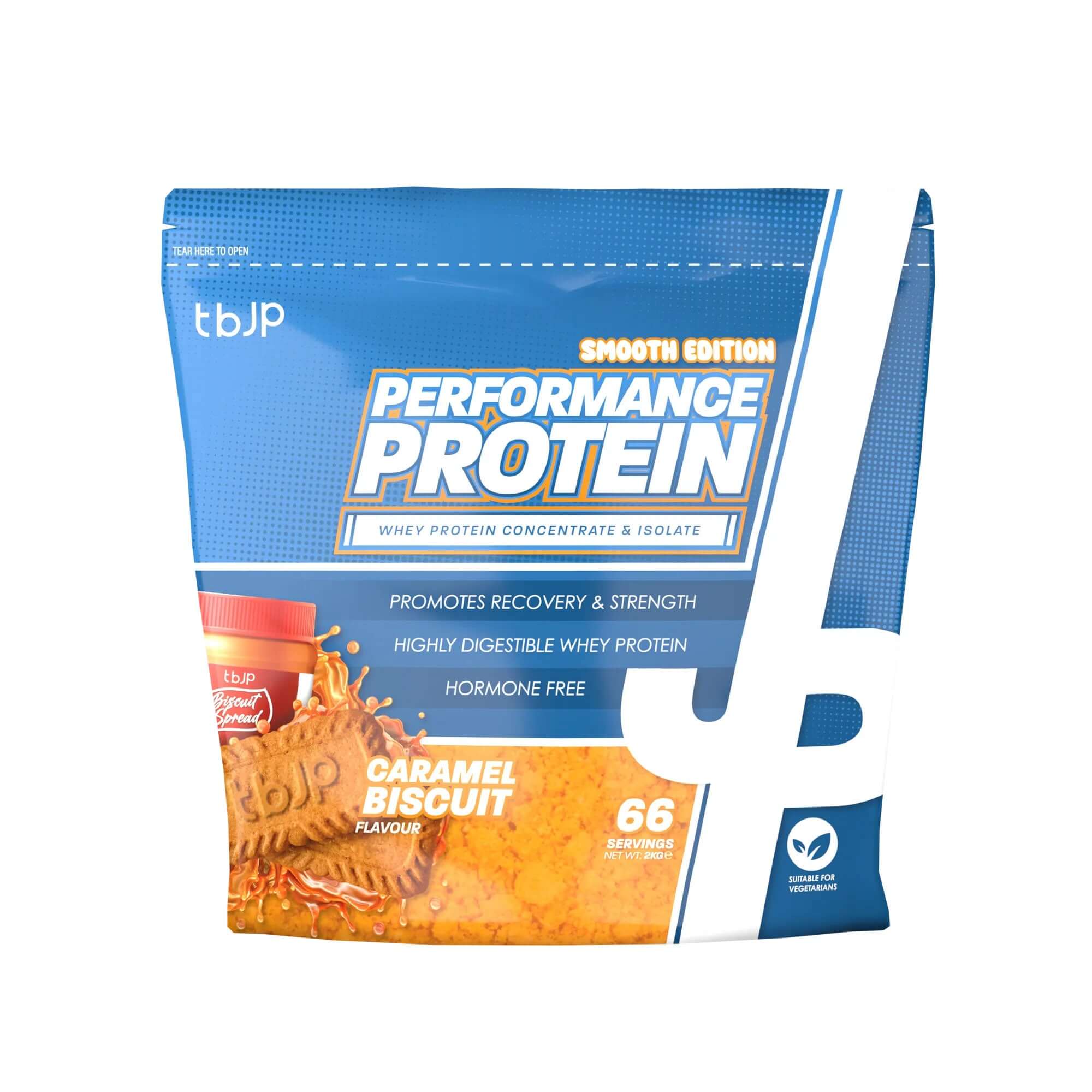
Trained By JP Performance Protein
A premium protein powder from Trained By JP, designed for serious training and daily use.
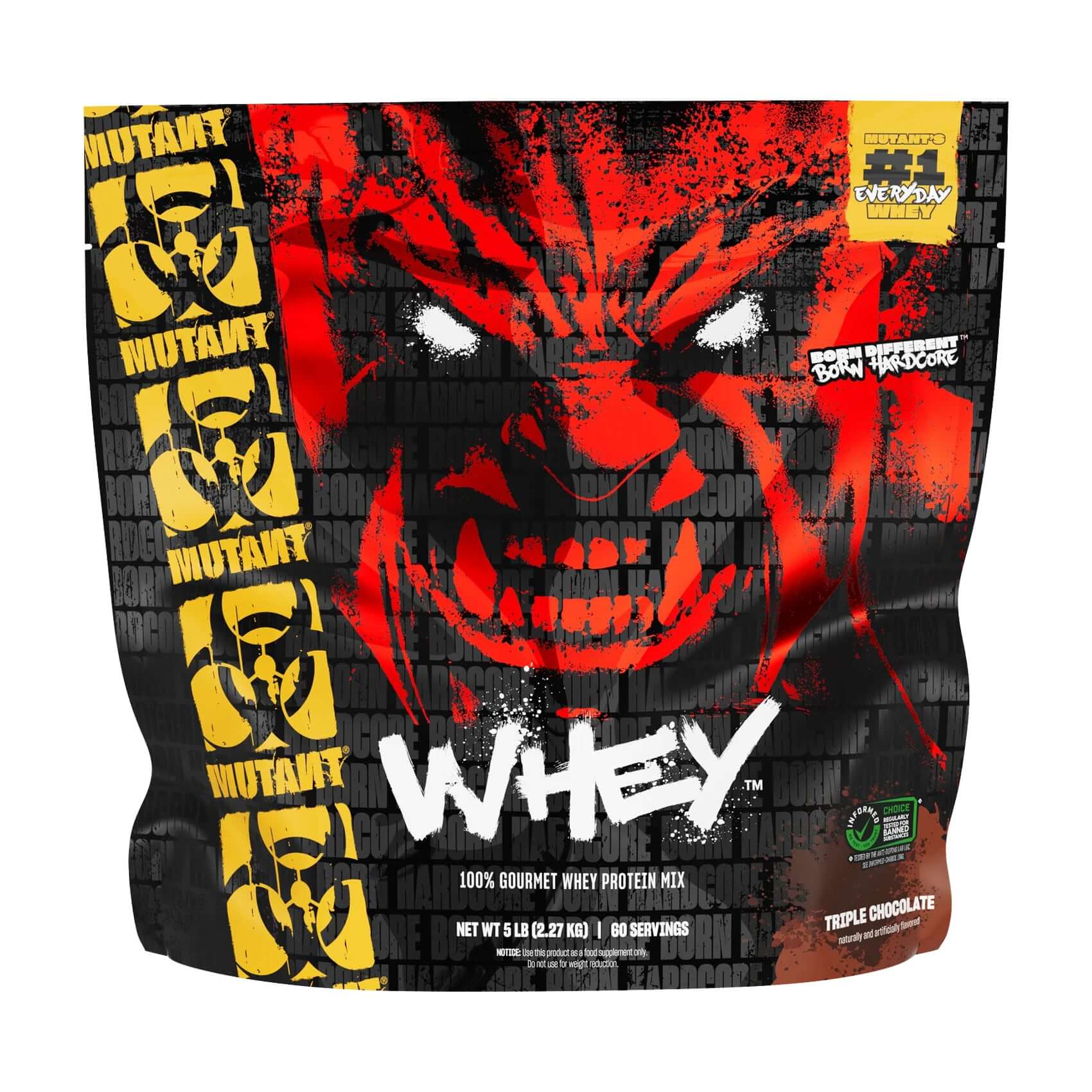
Mutant Whey
A strong option for gym-goers who want a high-protein shake from an established sports nutrition brand.